Grounding

Why You Keep Feeling “Off” (And How to Fix It in Under 5 Minutes)

There’s a particular kind of exhaustion that has nothing to do with how much sleep you got last night. It’s that feeling of being simultaneously wired and drained, like your brain won’t stop spinning but your body feels like it’s watching from the sidelines. You’re technically present, but you’re not really here.

Sound familiar?

This disconnection isn’t just annoying—it’s a signal. Your nervous system is telling you something important: you’ve drifted too far from center.

The good news? Getting back doesn’t require a meditation retreat or a complete life overhaul. It just requires grounding.

The Real Cost of Living Ungrounded

When we talk about feeling “ungrounded,” we’re describing something surprisingly literal. Research shows that when your nervous system gets stuck in sympathetic overdrive—the fight-or-flight state—your body actually struggles to regulate itself properly. Studies indicate this affects everything from cortisol levels to heart rate variability, creating that familiar sensation of being perpetually on edge.

Here’s what this looks like in everyday life:

Your emotions feel rawer than usual. Minor annoyances become major frustrations. You catch yourself replaying conversations that haven’t even happened yet or catastrophizing about situations that may never occur. Decision-making feels overwhelming because you’re second-guessing everything.

Physically, you might notice brain fog, tension you can’t shake, or that paradoxical feeling of being exhausted yet unable to relax. Some people describe it as “floating” or feeling slightly removed from their own life.

This isn’t weakness or dysfunction—it’s your autonomic nervous system doing exactly what it evolved to do when it perceives ongoing threat. The problem is, in our modern world, the “threats” are often just the normal stressors of daily life, and your body doesn’t know how to turn the alarm off.

What Grounding Actually Does

Grounding techniques work by redirecting your mind’s attention from distressing thoughts to the present moment through engagement of your senses or mental exercises. Think of it as giving your nervous system proof that right now, in this moment, you’re safe.

When you’re anxious or overwhelmed, your attention has typically traveled somewhere else—usually to the future (worry) or the past (rumination). The present moment gets lost. But here’s the thing: the present is where your actual power lives. It’s the only place where you can take action, make choices, or change anything.

Grounding brings you back to that place of agency. By activating your parasympathetic nervous system and boosting vagal tone, these practices help regulate your central nervous system and signal to your body that it can relax.

The beautiful part? It doesn’t take long. Even brief moments of intentional presence can shift your entire physiology.

Six Ways to Ground Yourself (That Actually Work)

Everyone responds differently to grounding techniques, so I encourage you to experiment. What works beautifully for your friend might not resonate with you at all—and that’s completely normal.

1. The Temperature Shock Method

Hold an ice cube in your hand or run cold water over your wrists. The intense sensation immediately demands your attention, pulling you out of your head and into your body. This physical intervention can be extremely helpful during moments of acute anxiety.

If cold doesn’t appeal to you, try the opposite: wrap your hands around a warm mug and focus completely on the heat spreading through your palms.

2. Breath as Anchor

Your breath is the most portable grounding tool you’ll ever have. Try the 4-7-8 pattern: breathe in for 4 seconds, hold for 7, exhale for 8. The extended exhale specifically triggers your relaxation response.

If counting feels too mechanical, just focus on making your exhale longer than your inhale. This simple adjustment sends a powerful message to your nervous system.

3. The Sensory Inventory

This is particularly useful when your thoughts are spiraling. Look around and systematically engage each sense: identify five things you can see, four you can touch, three you can hear, two you can smell, and one you can taste.

The specificity matters. Don’t just note “I see a chair”—notice its color, texture, the way light hits it. These cognitive exercises require concentration, which helps focus the mind and reduce worry.

4. Earth Contact

If you can get outside, do it barefoot. Grass, soil, sand—it doesn’t matter. The practice of “earthing” isn’t just folklore. Direct contact with the earth’s surface helps regulate the autonomic nervous system and reduces inflammatory markers.

Can’t get outside? Press your palms firmly against a wall or the floor. Feel the solid support beneath your hands. That contact alone can be grounding.

5. Movement with Intention

You don’t need a full workout. Sometimes just shaking out your hands, rolling your shoulders, or taking a short walk while noticing each footfall can reset your system. Physical activity promotes blood flow and releases endorphins, naturally shifting your state.

The key is to move with awareness rather than on autopilot. Feel your muscles engaging. Notice your balance. Track the rhythm of your movement.

6. Voice Your Reality

Speaking kind statements to yourself can significantly reduce stress hormones. Try simple declarations that anchor you in truth: “I am here right now.” “My body is safe.” “I can handle this moment.”

Say them out loud if you can. There’s something powerful about hearing your own voice claim those truths.

Making This Actually Stick

Knowledge without practice doesn’t change anything. Here’s how to integrate grounding into your life without it becoming another thing on your overwhelming to-do list:

Attach it to existing habits. After you brush your teeth in the morning, take three grounding breaths. While your coffee brews, do a quick sensory scan. Stack grounding onto routines you already have rather than trying to remember it separately.

Keep grounding objects accessible. A smooth stone in your pocket. A textured fabric on your desk. A specific essential oil you associate with calm. When you need to ground quickly, having a tangible anchor helps.

Practice when you don’t need it. Grounding works best if you’ve already built the neural pathway. Spend two minutes grounding yourself even when you feel fine. Think of it as maintenance rather than crisis management.

Notice your patterns. Pay attention to when you tend to feel most ungrounded. Is it after scrolling social media? During certain times of day? When you’re around particular people? Once you identify your triggers, you can ground yourself proactively.

Customize your approach. If visualization does nothing for you, don’t force it. If breathing exercises feel triggering rather than calming, try something physical instead. The “right” technique is whatever actually brings you back to yourself.

The Bigger Picture

Grounding isn’t about achieving some permanent state of Zen-like calm (spoiler: that doesn’t exist). It’s about developing the capacity to return to yourself again and again, no matter how many times you drift away.

Because you will drift. That’s part of being human in a chaotic world. The question isn’t whether you’ll get pulled off center—it’s how quickly you can find your way back.

When practiced regularly, grounding techniques can improve mental health and overall wellbeing, creating a foundation of resilience that serves you in all areas of life.

Your life probably isn’t going to become less demanding. Your responsibilities won’t magically disappear. But you can change your relationship to all of it by learning to inhabit your body and the present moment more fully.

That’s not a small thing. That’s actually everything.

Start Where You Are

Right now, as you finish reading this, try it. Place your feet flat on the floor. Feel their weight. Notice the pressure where they make contact with the ground. Take one slow, deliberate breath.

That’s it. You just grounded yourself.

See how accessible this is? You don’t need special equipment or perfect conditions. You just need a willingness to come back to the present, to return to your body, to remember that this moment—right here—is where your power lives.

The world will keep spinning. Your mind will keep generating thoughts. Stress will continue to exist. But you now have tools to keep yourself tethered to what’s real, what’s true, and what you can actually influence.

Practice this. Make it ordinary. Make it automatic. Your future self—the one who’s calmer, clearer, and more connected—will thank you for it.

No Comments MindfulnessSelfcareStress Management

When Self-Criticism Takes Over: Understanding What Sets Off Shame Spirals

You know that feeling when one small thing goes wrong and suddenly your brain is replaying every embarrassing moment from the past decade? When does a minor mistake somehow become evidence that you’re fundamentally flawed as a person?

Welcome to the shame spiral, that emotional quicksand where the harder you fight, the deeper you sink.

The tricky thing about shame spirals is how quickly they escalate. One minute you’re living your life, and the next you’re convinced you’re a complete disaster who should probably just never leave the house again.

Understanding what sets these spirals in motion is your first line of defense. Because once you can spot the triggers, you can interrupt the pattern before it pulls you under.

Why Shame Hits Different Than Guilt

Before we dive into the triggers, let’s talk about why shame spirals are so brutal in the first place.

Guilt says: “I did something wrong.” It’s specific, actionable, and focused on behavior.

Shame says: “I am wrong.” It attacks who you are at your core.

That’s why shame doesn’t just make you feel bad about forgetting someone’s birthday, it makes you feel like a terrible person who doesn’t deserve friends. It doesn’t critique the mistake; it condemns your entire existence.

And that’s exactly what makes it so hard to escape.

10 Triggers That Launch Shame Spirals

1. Messing Up in Front of People

Trip on the sidewalk? Mispronounce someone’s name in a meeting? Call your teacher “Mom” in front of the entire class?

Public mistakes have a special way of activating every childhood memory of humiliation you thought you’d buried. Your brain’s alarm system starts screaming that everyone is watching, judging, and cataloging this moment as proof of your incompetence.

Spoiler: They’re really not. Most people are too worried about their own mistakes to remember yours.

2. Hearing Any Form of Criticism

Even when feedback is delivered kindly and constructively, shame can twist it into something devastating.

Your boss says: “This report is good, but let’s add more supporting data.”

Shame hears: “You’re terrible at your job and everyone’s been talking about it.”

The disconnect between what was actually said and what shame makes you hear can be staggering. It takes one piece of feedback and turns it into total confirmation of your worst fears about yourself.

3. The Social Media Comparison Trap

You’re scrolling through perfectly filtered vacation photos, engagement announcements, and career milestones, while you’re sitting in your pajamas eating cereal for dinner.

Suddenly you’re behind on everything. You haven’t traveled enough, achieved enough, loved enough. Everyone else has it together and you’re still trying to figure out basic adulting.

Here’s what shame doesn’t want you to remember: you’re comparing your messy reality to everyone else’s carefully edited highlight reel. It’s not a fair fight.

4. Being Left Out or Rejected

Didn’t get the callback? Notice your friends hung out without you? Get ghosted after what you thought was a great first date?

Rejection hurts because it taps into our most primal fear: being abandoned by the tribe. And shame is always ready to provide an explanation for why you were left out—one that puts all the blame on you being fundamentally unlovable or unworthy.

The truth? Sometimes it’s timing, compatibility, or a hundred other factors that have nothing to do with your value as a person.

5. Not Living Up to Your Own Standards

We’re often our own harshest judges. When you break your gym streak, eat something you said you wouldn’t, or procrastinate on a goal that matters to you, shame shows up with a megaphone.

“See? You’re lazy. Weak. Undisciplined. You’ll never change.”

It’s one thing to fall short of someone else’s expectations. It’s another level of painful when you feel like you’ve let yourself down.

6. Opening Up and Getting Shut Down

You gather the courage to be vulnerable, to share something real about what you’re going through, and someone responds with “You’re overthinking it” or “Stop being so sensitive.”

That dismissal can trigger massive shame about having feelings at all. Suddenly you’re convinced you’re too much, too needy, too emotional. And you might decide never to open up again, which only makes the shame grow stronger in the darkness.

7. Money Problems

In a culture that treats your bank account balance like a report card on your worth as a human, financial struggles can unleash serious shame.

Overdraft fees, mounting debt, earning less than your peers, needing to decline invitations because you can’t afford them—all of it can make you feel like you’re failing at life itself.

The shame around money runs deep, partly because we’re not supposed to talk about it, which means everyone suffers in silence thinking they’re the only one struggling.

8. Your Reflection Catching You Off Guard

You feel fine until you catch yourself in a mirror, or someone tags you in a photo, or you try on clothes that used to fit.

Body shame can hit instantly and viciously. Because in our appearance-obsessed world, we’ve been conditioned to believe that how we look determines how much we deserve love, success, and respect.

These moments connect to much deeper beliefs about whether you’re worthy of taking up space in the world.

9. Not Being “In the Know”

Everyone’s laughing at a reference you don’t get. You’re the only one who hasn’t seen that show, read that book, or heard that news. You realize you’ve been doing something the “wrong” way that everyone else apparently learned years ago.

These gaps in knowledge—real or perceived—can trigger intense shame about your intelligence, education, or whether you truly belong in whatever space you’re occupying.

The voice of shame says: “Everyone knows this but you. You’re so stupid. You don’t belong here.”

10. Random Memory Attacks

Sometimes shame doesn’t even need a fresh trigger. Your brain will just randomly serve up a cringe-worthy memory from 2008 while you’re brushing your teeth.

Suddenly you’re reliving that awkward thing you said at a party, that email you sent with a typo, that fight you had with someone who probably doesn’t even remember it.

These involuntary replays can launch full spirals even when nothing has actually gone wrong in the present moment.

How to Stop the Spiral

Here’s the truth about shame: it loses power when you drag it into the light.

The spiral depends on you staying silent, isolated, and convinced you’re the only person who feels this way. But the moment you name what’s happening and reach for connection, shame starts to lose its grip.

When you notice yourself spiraling, try this:

Call it out loud. Sometimes just saying “I’m in a shame spiral right now” creates enough distance to break the trance. You shift from being consumed by the feeling to observing it.

Anchor yourself in the present. Shame spirals pull you into the past or project you into a catastrophic future. Use your five senses to come back to right now: What can you see, hear, feel, smell, taste?

Talk to yourself like someone you love. Would you tell your best friend they’re a worthless disaster because they stumbled over their words? No? Then why is it okay to say that to yourself?

Connect instead of hiding. Shame tells you to isolate because you’re too broken to be around people. Do the opposite. Text a friend. Call someone who gets it. Connection is shame’s kryptonite.

Remember this will pass. No matter how overwhelming it feels in this moment, the intensity won’t last forever. Feelings are temporary visitors, not permanent residents.

Notice what actually happened versus what shame added. You made a mistake (fact). You’re a complete failure who ruins everything (shame’s story). Learn to separate the two.

You’re Not Broken for Feeling Shame

Let’s be clear: the goal isn’t to never experience shame again. That’s not realistic or even possible. Shame is part of the human experience.

The goal is to recognize when it’s happening, understand what triggered it, and have tools to pull yourself back out before you’re fully submerged.

Every time you interrupt a shame spiral, you’re training your brain to respond differently. You’re building new pathways toward self-compassion and resilience.

And here’s something shame never wants you to know: you are absolutely not alone in this.

Shame spirals are universal. The specific triggers might be different, but every single person you’ve ever met has felt this way at some point. It’s not a personal failing or a sign that something’s wrong with you.

It’s just part of being human.

The difference is learning not to live there.

No Comments Selfcare

Where did I go

I’ve lost track of what I’m living for. Not in some deep philosophical sense — it’s simpler and heavier than that. I’m just moving through hours, counting them down until I can sleep again.

From the outside, everything looks okay.

I’m employed. Married. We own a home with a little yard out back. Money’s tight, but we’re managing.

But inside, it all feels hollow.

Every morning starts the same way — no real motivation to get up, just the knowledge that I must. Then it’s the routine: breakfast, commute, work tasks, emails, dinner prep, cleaning, collapse into bed.

Tomorrow, I’ll do it again.

There’s nothing vibrant about any of it anymore. No spark of joy. Nothing I’m looking forward to. Just an endless series of obligations stretching out ahead of me.

I find myself staring at the clock constantly. Not because I’m swamped with work. Because I’m just trying to get to the end of the day. Waiting for the weekend. Waiting for… something I can’t even name.

I had ambitions once. Things that made me feel alive.

I used to plan things — trips I wanted to take, hobbies I’d pursue, projects that excited me, ways I’d grow and change.

Now I can barely remember what genuine excitement feels like. When was the last time tomorrow actually mattered to me? When did I last accomplish something and feel that rush of satisfaction?

Those plans have evaporated. My old dreams seem naive now. Most days, my only real objective is survival — just making it through.

Nothing appeals to me anymore. Nothing calls to me. Nothing seems worth pursuing.

And that terrifies me, though I rarely admit it.

The strange thing is — I’m not exactly depressed. Not in the traditional sense.

I still function. I show up where I need to be. I complete what’s required of me.

I just feel numb to all of it.

It’s like being a spectator in my own life. Moving and speaking and doing, but somehow detached from it all. Physically present but emotionally absent. Breathing but not truly living.

Can you understand what I mean?

This isn’t about my circumstances. It’s about what’s happened inside me.

I’ve become someone who wants nothing. Feels nothing. Just goes through the motions of existing.

A normal day for me:

Wake up exhausted. Force down coffee that does nothing. Drive to work on autopilot — can’t recall a single detail of the commute. Spend hours at my desk completing tasks. Return home. Zone out on my phone. Prepare a meal I barely taste. Stare at a TV show I’m not really watching. Crawl into bed. Stare at the ceiling.

Then start over.

No peaks of happiness. But no crushing lows either. Just this endless, colorless plateau. Day blending into identical day.

Nothing’s actively bad. That’s almost the problem. Nothing’s bad, nothing’s good, nothing registers at all.

I’ve given up on making plans. Why bother when I know I won’t enjoy them?

I’ve stopped beginning new projects. They’ll just join the pile of abandoned attempts.

I’ve quit setting goals. They only become more evidence of my failure, more proof that something fundamental is broken in me.

What haunts me most is knowing I used to be different.

I’ve seen old pictures of myself from about 5 years ago. Actually smiling. On vacation on the west coast, eyes alive with something real, tired but genuinely present in my life.

That version of me had something I’ve lost. Some inner fire. Some genuine reason to exist beyond mere biological necessity.

Where did she disappear to? How do I become her again?

I’ve read that when you’re overwhelmed for too long, your mind protects you by shutting down everything except the bare minimum needed to function. You can complete tasks. You just can’t feel alive while doing them.

And dreams? Plans? Things to anticipate?

Those require believing that tomorrow actually matters. When you’re stuck in survival mode, constantly, there is no tomorrow. There’s only enduring this moment. Again and again and again.

Menopause

Buddhism

A young student once asked a wise monk, “Master, how do I stop taking everything so personally?”

The monk smiled and said…
“To stop taking things personally, you must learn what actually belongs to you… and what never did.

Most of what people say or do is a reflection of their own inner weather, not a judgment of your worth.

When a storm passes overhead, you do not ask, ‘What did I do wrong?” You simply let it pass.

In the same way, another person’s moods, words, or reactions are often storms that were brewing long before you arrived.

Your peace isn’t threatened unless you hand it over.

Taking things personally comes from believing you must control how others think, feel, or receive you.

But remember… You are not responsible for managing the emotions that live inside someone else’s mind.

The moment you stop trying to be understood by everyone, you reclaim your freedom.

Respond from clarity, not from old wounds.

Be curious, not defensive. Be grounded, not reactive.

When your heart is steady, even harsh words lose their power.

Do not let someone else’s chaos decide the temperature of your inner world.

Protect your peace. You are allowed to walk away from anything that tries to pull you into a battle that isn’t yours.”

And when in doubt,” the monk said, “Repeat this truth: Nothing others do is because of me. Everything they do is because of them.”

Moral:
Not everything is about you. What others say and do often reflects their own struggles, not your worth. When you stop carrying what was never yours, you protect your peace and live freely.

Selfcare

The Calm of 2026

She’s longing for 2026 to be the year her body and mind can truly settle.

What she craves is a year where her soul has room to expand, her thoughts can ease their pace, and everything around her becomes tender once more.

No more operating in crisis mode, no more steeling herself against what might go wrong next, no more opening her eyes already worn out from holding the weight of the world on her shoulders.

The chaos needs to end. The relentless demand to be resilient every moment needs to stop. She’s seeking tranquility that seeps into her bones, not just floats through her mind. Safety in stillness. Happiness without the shadow of worry trailing behind it.

She dreams of dawns that don’t arrive heavy with fear, evenings that don’t spiral into endless mental loops, and connections that let her nervous system finally stand down. She wants to feel centered, balanced, and truly comfortable in her own skin.

As 2026 approaches, she’s not hoping for flawlessness. She’s hoping for gentleness. For consistency. For a life that stops feeling like warfare and starts feeling like sanctuary—a place where she can finally release that held breath and remain.

image
image
No Comments SelfcareStress Management

Grounding

image
image

Grounding: A Practice for Mental and Physical Wellbeing

Grounding is a set of techniques that help you reconnect with the present moment and your physical surroundings. These practices can be particularly beneficial for managing stress, anxiety, trauma responses, and improving overall mental health.

How Grounding Benefits Your Health

Mental Health Benefits:

  • Reduces anxiety and panic symptoms
  • Helps manage overwhelming emotions
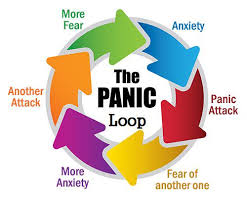
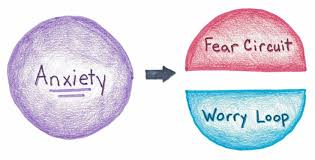
  • Interrupts rumination and worry cycles
  • Provides relief during flashbacks or dissociative episodes
  • Improves focus and concentration
  • Promotes mindfulness and present-moment awareness

Physical Health Benefits:

  • Lowers stress hormones like cortisol
  • Can reduce blood pressure during anxious moments
  • Promotes regulated breathing patterns
  • May help manage pain by redirecting attention
  • Can improve sleep quality when practiced before bedtime

Physical Grounding:

  • Feel your feet firmly on the ground
  • Hold something cold or textured (like ice, a stone, or a textured stress ball)
  • Splash cold water on your face
  • Focus on your breathing, particularly exhales
  • Engage in gentle movement or stretching

Mental Grounding:

  • Recite something familiar (like counting backward from 100 by 7s)
  • Name items in categories (like types of dogs, cities, etc.)
  • Describe your environment in detail
  • Focus on a single, simple task

Incorporating Grounding Into Daily Life

Starting a regular grounding practice can build resilience over time. Consider:

  • Setting aside 5-10 minutes daily for intentional grounding
  • Practicing during calm times so the techniques are familiar when needed
  • Creating environmental cues (like a special stone in your pocket) as reminders
  • Combining grounding with other health practices like regular exercise, good nutrition, and adequate sleep

Physical Grounding Through Nature Connection

Walking barefoot on natural surfaces like grass—sometimes called “earthing” or “grounding”—is a powerful physical grounding technique that connects your body directly with the earth. This practice has both experiential benefits and some evidence-supported health effects.

Barefoot Walking on Natural Surfaces

The Experience:

  • Walking barefoot on grass, sand, soil, or stone creates immediate sensory engagement
  • The varied textures and temperatures provide rich sensory input that anchors you in the present
  • This direct connection can feel calming and centering, especially for those who spend most time indoors

Potential Health Benefits:

  • Enhanced proprioception (awareness of body position)
  • Strengthened foot muscles and improved balance
  • Better foot mechanics and posture
  • Reduced inflammation in some studies (though research is ongoing)
  • Improved mood and decreased stress hormones

How to Practice Grounding Through Nature Connection

Getting Started:

  • Begin with just 5-10 minutes of barefoot time on grass, sand, or soil
  • Walk slowly and mindfully, paying attention to every sensation
  • Notice temperature, texture, moisture, and the different feelings as you shift your weight
  • Try different surfaces—dewy morning grass feels vastly different from warm afternoon sand

Deepening the Practice:

  • Combine with mindful breathing—breathe deeply while feeling your connection to the earth
  • Add gentle movement like stretching, yoga, or tai chi while barefoot
  • Try a “sensory scavenger hunt”—find 5 different textures to feel with your bare feet
  • Practice at different times of day to experience variations in temperature and moisture

Safety Considerations:

  • Inspect areas for hazards like broken glass, sharp stones, or harmful plants
  • Build up gradually if your feet are sensitive from always wearing shoes
  • In cold weather, start with brief exposure and increase duration as comfortable
  • Consider wearing minimal footwear in areas where complete barefoot exposure isn’t practical

Beyond Grass: Expanding Your Grounding Practice

Other Natural Elements for Grounding:

  • Water: Wade in streams, lakes, or ocean shallows
  • Earth: Garden with bare hands in soil
  • Wood: Walk on natural wooden surfaces or touch trees
  • Stone: Stand on rocks or stone surfaces that retain temperature differently than soil

Creating Daily Rituals:

  • Morning dew walk: Start your day with a few minutes on morning grass
  • Lunch break reset: Remove shoes briefly during an outdoor lunch
  • Evening unwinding: End your day with a few minutes of barefoot time to transition from work mode

Earth’s Electrons and Grounding: The Science Behind Earthing

The relationship between Earth’s electrons and the practice of physical grounding is an interesting area where traditional wellness practices meet scientific investigation. Here’s what we know:

The Electrical Perspective on Grounding

The Basic Science:

  • The Earth’s surface has a negative charge and contains free electrons
  • Our bodies conduct electricity and can receive electrons from the Earth when in direct contact
  • Modern lifestyles (rubber-soled shoes, elevated buildings) insulate us from this natural electrical connection
  • Direct skin contact with the Earth allows for the transfer of electrons into the body

The Electron Transfer Theory:

  • Proponents of earthing theory suggest that free electrons from the Earth’s surface can be absorbed through the skin
  • These electrons may act as antioxidants in the body, potentially neutralizing free radicals
  • This electron transfer is theorized to reduce inflammation and oxidative stress

Current Research Status

Evidence Supporting Electron Transfer Benefits:

  • Some small studies have shown reduced inflammation markers
  • Measurements of electrical changes in the body when grounded
  • Reports of improved sleep, reduced pain, and faster recovery in some research

Scientific Perspective:

  • The electron transfer mechanism is plausible based on basic physics
  • Many health claims require more rigorous, large-scale studies
  • Benefits may arise from multiple factors beyond just electron transfer

How This Connects to Felt Experience

When you walk barefoot on grass or other conductive natural surfaces:

  • You create a direct electrical pathway between your body and Earth
  • This may allow your body’s electrical state to equilibrate with Earth’s
  • The experience often feels calming and stabilizing, which could be partially related to this electrical connection
  • The combination of sensory input, connection to nature, and potential electrical effects likely all contribute to the benefits

It’s worth noting that while the electrical aspect of grounding has some scientific basis, many of the health benefits people experience may also come from other factors: mindfulness, stress reduction through nature connection, improved circulation from walking, and the psychological benefits of taking time for self-care.

No Comments SelfcareStress Management

Finding Calm in the Storm: How Meditation and Mindfulness Support Women Through Menopause

The journey through perimenopause and into postmenopause can feel like navigating uncharted waters. Hot flashes arrive without warning, sleep becomes elusive, and emotions seem to shift like sand beneath your feet. While these changes are completely natural, they’re rarely easy. Fortunately, meditation and mindfulness practices offer powerful tools to help you move through this transition with greater ease and self-compassion.

Understanding the Menopausal Transition

Perimenopause typically begins in a woman’s 40s, though it can start earlier or later. During this phase, hormone levels fluctuate unpredictably, leading to irregular periods and a constellation of symptoms including night sweats, mood swings, brain fog, and anxiety. Postmenopause begins after 12 consecutive months without a period, but many symptoms can persist for years beyond that milestone.

The physical changes are only part of the story. Many women also grapple with the emotional and psychological dimensions of this life stage, from identity shifts to concerns about aging and health.

How Mindfulness Changes Your Relationship with Symptoms

Mindfulness—the practice of paying attention to the present moment without judgment—doesn’t necessarily eliminate menopausal symptoms. Instead, it transforms how you experience and respond to them.

When a hot flash begins, the automatic response might be panic, frustration, or embarrassment. These reactions actually intensify the discomfort by triggering the stress response. Mindfulness allows you to notice the physical sensations as they arise, observe them with curiosity rather than resistance, and watch them pass without adding layers of emotional suffering on top.

This shift from reacting to responding creates breathing room. You’re still experiencing the hot flash, but you’re no longer fighting it or catastrophizing about it. That difference matters tremendously.

The Science Behind Meditation for Menopausal Health

Research increasingly supports what many women discover through practice: meditation and mindfulness genuinely help with menopausal symptoms.

Studies have found that mindfulness-based interventions can reduce the severity and bother of hot flashes, even when the frequency remains unchanged. The key insight here is that how we perceive and react to symptoms significantly affects how much they disrupt our lives.

Meditation has also been shown to improve sleep quality, which often deteriorates during the menopausal transition. By calming the nervous system and quieting rumination, mindfulness practices help create the conditions for restorative rest.

Additionally, regular meditation practice appears to ease anxiety and depressive symptoms, both of which can intensify during perimenopause. It strengthens the brain regions involved in emotional regulation while reducing activity in areas associated with stress and worry.

Practical Mindfulness Techniques for Menopausal Women

Body Scan for Hot Flashes

When you feel a hot flash beginning, try this: Rather than tensing up, take a moment to scan through your body. Notice where the heat starts. Feel it spread. Observe the sweating without judgment. Watch the sensation peak and then gradually subside. By staying present with the experience rather than fighting it, you may find it passes more quickly and with less distress.

Breath Awareness for Anxiety

Hormonal fluctuations can trigger waves of anxiety that seem to come from nowhere. When this happens, anchor yourself with your breath. Place one hand on your belly and simply notice the rise and fall. Count your breaths if it helps focus your attention. Even two minutes of conscious breathing can interrupt the anxiety spiral.

Loving-Kindness for Difficult Emotions

The emotional turbulence of menopause can leave you feeling unlike yourself. Loving-kindness meditation involves directing compassionate phrases toward yourself: “May I be kind to myself. May I accept this changing body. May I find peace in this transition.” This practice counters the harsh self-criticism that often accompanies menopausal changes.

Mindful Movement

Yoga, tai chi, or simply walking with full awareness combines physical activity with mindfulness. These practices help regulate body temperature, improve mood, support bone health, and provide a moving meditation that many women find more accessible than sitting still.

Building a Sustainable Practice

You don’t need to meditate for an hour daily to experience benefits. Research suggests that even brief, consistent practice makes a difference.

Start with five minutes a day. Use an app if that helps you stay consistent, or simply set a timer and sit quietly, focusing on your breath. The morning often works well because it sets a calm tone for the day, but find whatever time you’ll actually stick with.

Don’t wait for motivation to appear—it often doesn’t. Instead, build meditation into your routine the way you brush your teeth. Make it non-negotiable but also non-punishing. If you miss a day, simply begin again the next.

Remember that mindfulness isn’t just formal meditation. You can practice it while washing dishes, drinking tea, or lying in bed before sleep. Any moment you bring full attention to your present experience counts.

Embracing the Transition

Menopause isn’t a problem to be solved but a natural passage to be navigated. Mindfulness helps you approach this transition with curiosity and kindness rather than resistance and frustration.

Through regular practice, you may discover something unexpected: that beneath the hot flashes and sleepless nights lies an opportunity for deeper self-knowledge. Many women describe postmenopause as a time of clarity, authenticity, and freedom—qualities that mindfulness naturally cultivates.

The changes happening in your body and mind are profound. You deserve tools that honor both the difficulty and the potential of this journey. Meditation and mindfulness offer exactly that: a way to be fully present with whatever arises, trusting in your capacity to meet it with grace.


As with any health concern, discuss significant symptoms with your healthcare provider. Mindfulness is a valuable complementary practice but shouldn’t replace medical care when needed.

No Comments MenopauseSelfcareStress Management

Why Your Short Fuse Might Be a Dopamine Problem

We’ve all been there: someone asks you a simple question and suddenly you’re snapping at them. A minor inconvenience sends you into a spiral of frustration. Your patience feels paper-thin, and you can’t quite figure out why everything feels so irritating lately.

The culprit might not be stress, lack of sleep, or even your circumstances. It could be your brain’s reward system crying out for help.

The Dopamine Connection You’re Missing

Dopamine gets a bad rap as the “pleasure chemical,” but it’s actually far more nuanced. It’s your brain’s motivation molecule, the neurotransmitter that helps you anticipate rewards, feel satisfied, and regulate your emotional responses. When your dopamine system is functioning well, you have resilience. You can handle setbacks. You have a normal-length fuse.

But here’s what many people don’t realize: modern life is systematically destroying our dopamine receptors’ sensitivity.

How We’re Frying Our Brains Without Realizing It

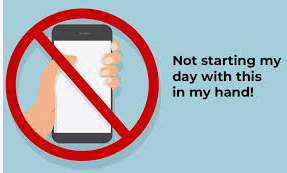
Think about your daily routine. How many times do you check your phone? How often do you scroll through social media, binge-watch shows, or reach for sugar when you’re bored? Each of these delivers a quick hit of dopamine—small, frequent rewards that your brain starts to expect and then demand.

The problem is that constant overstimulation causes your dopamine receptors to downregulate. It’s like turning down the volume on a speaker that’s been playing too loud for too long. Your brain essentially becomes numb to normal levels of stimulation, requiring bigger and bigger hits just to feel okay.

When your receptors are desensitized, everyday frustrations feel monumental. Your threshold for annoyance drops dramatically because your brain’s reward and regulation systems aren’t functioning properly. You become quick to anger, easily overwhelmed, and perpetually unsatisfied.

The Short Fuse Isn’t a Character Flaw

Here’s the thing that might actually bring you some relief: if you’re walking around with a hair-trigger temper, it doesn’t necessarily mean you’re a bad person or that you lack self-control. You might just have a neurochemical problem that needs addressing.

Your brain is stuck in a state of chronic low-grade dopamine depletion, making everything feel harder than it should be. Small inconveniences register as major threats. Minor setbacks feel catastrophic. Your emotional regulation is compromised not because you’re weak, but because the hardware is malfunctioning.

What Actually Helps

The good news? Dopamine receptors can heal and resensitize. But it requires something our dopamine-fried brains hate: intentional discomfort and delayed gratification.

Consider implementing a “dopamine detox”—not the extreme version where you sit in a dark room all day, but strategic reduction of hyperstimulating activities. This means cutting back on the constant scroll, reducing screen time, taking breaks from binge-watching, and sitting with boredom instead of immediately reaching for a distraction.

Replace those quick hits with activities that build dopamine sensitivity: exercise (particularly anything challenging), cold exposure, meditation, completing difficult tasks, and genuine face-to-face social connection. These require effort but rebuild your brain’s ability to feel satisfied and regulated.

The Patience You’re Looking For

When your dopamine system recalibrates, something remarkable happens. That short fuse gets longer. Frustrations that would have sent you into a rage become manageable inconveniences. You find yourself with actual patience again—not because you’re trying harder to be patient, but because your brain chemistry is allowing you to respond proportionally to situations.

Your irritability wasn’t a moral failing. It was a neurochemical cry for help. And the best part? You have more control over fixing it than you think.

No Comments SelfcareStress Management