If you’ve ever stood in your kitchen at 4pm still not showered, mentally listing all the reasons you should just go do it, and still not moving — you’re not lazy, and you’re not broken. You’re probably dealing with executive dysfunction, and the question is what’s causing it: ADHD, autism, depression, or some combination of the three.
I want to walk through the differences, because the fix looks completely different depending on which one is actually driving the avoidance.
It’s a Task-Initiation Problem (ADHD)
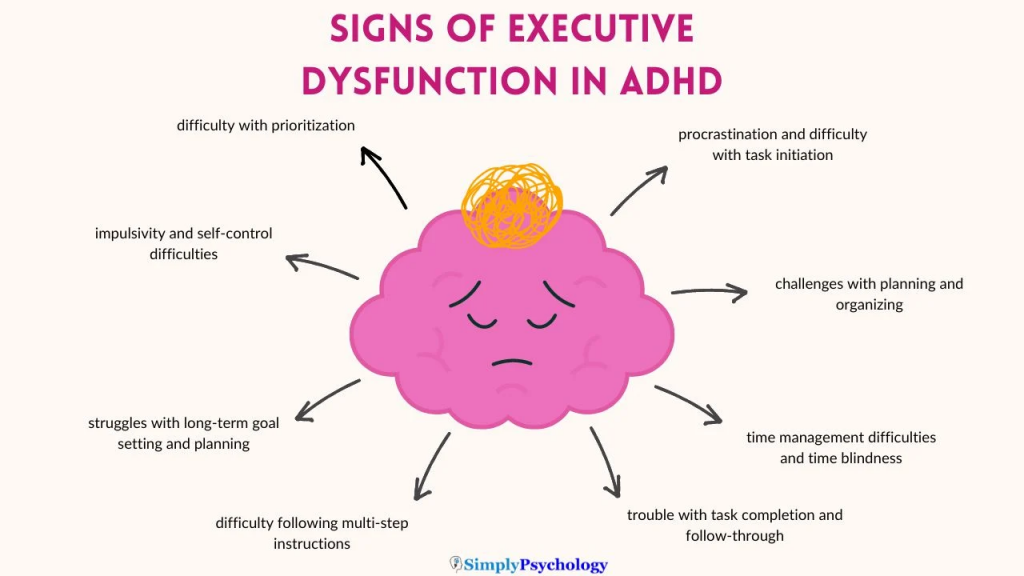
For a lot of ADHD brains, showering isn’t hard because it’s unpleasant — it’s hard because it’s a low-reward, multi-step task with no built-in urgency. There’s no dopamine hit waiting for you at the other end, so your brain treats it the same way it treats folding laundry or answering that one email: infinitely postponable.
The telltale sign here is that once you’re actually in the shower, you’re usually fine — even glad you did it. The wall is entirely at the starting line. That gap between “I should shower” and “I am showering” is where ADHD executive function struggles live.
It’s a Sensory Problem (Autism)
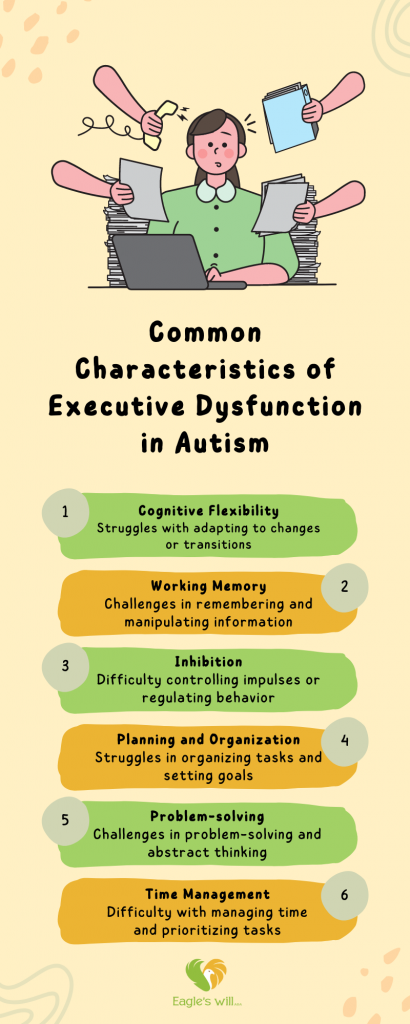
For autistic folks, the barrier is often the shower itself, not the decision to start it. Water temperature, water pressure, the texture of a towel, the smell of shampoo, the sound of water hitting the tub — any of these can range from mildly annoying to genuinely overwhelming. When your nervous system is already taxed from the day, adding a sensory-heavy task on top can trigger a kind of shutdown around self-care specifically.
The tell here: it’s not about forgetting or procrastinating, it’s an active aversion to the experience of showering, even when you know it’s time.
It’s an Energy and Meaning Problem (Depression)
Depression works differently. It’s less “I can’t get started” and more “what’s even the point.” Anhedonia — the flattening of things that used to feel good or worth doing — hits basic self-care hard, because self-care requires believing you’re worth the effort. This is where the term “depression shower” comes from; it’s a well-documented symptom, not a character flaw.
The tell here: the low motivation usually isn’t isolated to showering. It shows up across eating, chores, hobbies — a general dimming, not just one stuck task.
The Common Thread: Executive Dysfunction
Underneath all three of these is often the same underlying mechanism: executive dysfunction. Executive function is the brain’s management system — it’s what handles planning, initiating tasks, sequencing steps, and shifting from one activity to the next. Showering is actually a surprisingly complex executive function task: notice you need to shower, initiate the transition, sequence the steps (undress, wash, rinse, dry, redress), and manage the sensory and time demands along the way.
ADHD, autism, and depression can each disrupt this system in their own way — ADHD through under-activation of the initiation and reward circuits, autism through the added cognitive load of managing sensory input while executing steps, and depression through the sheer fatigue and low motivation that makes any multi-step task feel heavier than it should. That’s why executive dysfunction can look identical on the outside no matter which condition (or combination) is behind it: the pile of unwashed hair, the days between showers, the shame spiral about it. The visible struggle is the same; the internal cause is different.
This is also why “just do it” advice tends to fail across the board. Executive dysfunction isn’t a willpower problem — it’s a brain-based difficulty with the mechanics of starting and carrying out a task, regardless of how much you want to do it.
When It’s Actually All Three
Here’s the part that makes this genuinely confusing: ADHD and autism frequently co-occur, and both can contribute to depression over time — especially when you’ve spent years being told to just “try harder” at things your brain and body were never going to respond to that way. So if you read all three sections and thought “yes, and yes, and also yes,” that’s not you overthinking it. That’s a very real and very common overlap.
Why This Distinction Actually Matters
Knowing why you’re avoiding the shower changes what actually helps:
- ADHD responds to novelty, urgency, and dopamine — think timers, a favorite playlist, or “just get wet” as the only goal instead of the whole routine.
- Autism responds to sensory accommodation — adjusting water temperature, switching products, wearing headphones, giving yourself a sensory “reset” afterward.
- Depression responds to treatment and compassion, not tricks — the goal isn’t to outsmart the avoidance, it’s to address what’s underneath it.
If this is a passing rough patch, some self-compassion and small adjustments might be enough. If it’s a persistent pattern affecting your daily functioning, it’s worth bringing to a therapist or psychiatrist who understands neurodivergence — because “just push through it” was never going to work, and it was never actually about the shower.