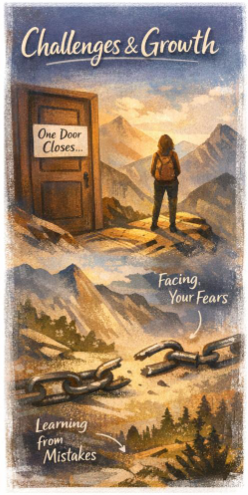
The Quiet Revolution of Self-Love: Finding Your Way Home

There’s a moment that changes everything, though you might not recognize it when it arrives. It’s not dramatic or grand. It happens when you pause in the middle of an ordinary day, place your palm against your chest, and simply acknowledge:  I’m here. I see you.

This is where healing begins, not in the sweeping gestures or the perfectly curated morning routines, but in the tender recognition of your own presence.

The Geography of Coming Home

For years, many of us have been taught to seek validation externally, through achievement, approval, or the mirror of other people’s eyes. We’ve learned to push through exhaustion, to silence our needs, to treat ourselves with a harshness we’d never inflict on a friend. Somewhere along the way, we became strangers to ourselves.

Self-love isn’t about becoming someone new. It’s about remembering who you’ve always been beneath the layers of self-judgment and protective armor. It’s the practice of turning toward yourself with the same warmth you might offer to someone you cherish.

The Power of Small Moments

Real transformation doesn’t require a complete life overhaul. It grows in the spaces between your thoughts, in the choice to speak kindly to yourself when you stumble, in the conscious release of tension you didn’t know you were holding.

Consider what happens when you choose differently in these everyday moments:

– When your shoulders creep toward your ears, you notice, and gently let them fall

– When harsh words form in your mind, you pause and ask: “Would I say this to someone I love?”

– When you’re rushing through your day, you take three intentional breaths

– When you doubt your worth, you remind yourself: “I am enough, exactly as I am, right now”

These aren’t trivial acts. Each one sends a signal to your nervous system that you’re safe, that you matter, that you’re worthy of care. Over time, these moments accumulate like interest in an emotional savings account. They soften the calcified edges of old wounds. They create space for your authentic voice to emerge.

Creating Your Inner Sanctuary

The sanctuary we seek isn’t found in a perfectly decorated room or a exotic retreat location. It exists in the relationship you cultivate with yourself, a place you can return to no matter what storms are raging outside.

This sanctuary is built through practice:

Returning to your breath

Your breath is always with you, an anchor in the present moment. When everything feels chaotic, your breath reminds you that you’re alive, that this moment is manageable, that you have everything you need right now.

Reconnecting with your body

Your body holds wisdom that your mind often overlooks. It remembers safety and threat, joy and pain. When you listen to it with compassion rather than judgment, it becomes a trusted guide rather than a stranger you’re fighting against.

Cultivating self-compassion

This might be the hardest practice of all. We’ve been conditioned to believe that being hard on ourselves makes us better, stronger, more successful. But research shows the opposite is true. Self-compassion actually increases resilience, motivation, and emotional wellbeing.

The Ripple Effect

Here’s what happens when you consistently choose self-love: the benefits extend far beyond yourself. When your nervous system relaxes, you become more present with others. When your inner critic quiets, you stop projecting judgment outward. When you recognize your own inherent worth, you naturally see it in others too.

You can’t pour from an empty cup, as the saying goes, but more than that, when you fill your own cup with genuine love and care, you overflow with compassion for the world around you.

Beginning Again, and Again

The beauty of self-love is that every moment offers a fresh start. You don’t need to get it perfect. You don’t need to maintain some impossible standard of constant self-care. The practice is simply this: noticing when you’ve drifted away from kindness, and gently coming back.

Again and again and again.

That gentle hello to yourself, the hand on your heart, the conscious breath, the moment of recognition, that’s where your healing lives. Not in some distant future when you’ve finally “fixed” yourself, but right here, in the tender acknowledgment of your beautiful, imperfect, completely worthy humanity.

Your Invitation

If this resonates with you, consider beginning with just one small practice today. Maybe it’s taking three intentional breaths when you wake up. Maybe it’s placing your hand on your heart when you feel stressed. Maybe it’s speaking to yourself the way you’d speak to your dearest friend.

To support you on this journey, I’ve created a free Self-Love Guide featuring three restorative practices designed to help you return, to your breath, to your body, to your own deep well of compassion. These are gentle, accessible practices that honor where you are right now while inviting you toward healing.

May these practices remind you of what has always been true: you carry within you a light that cannot be dimmed, a beauty that cannot be diminished, a worthiness that was never in question.

You are already home. You just needed permission to walk through the door

blog.ritalong.org

MindfulnessSelfcareStress Management

Grounding

Why You Keep Feeling “Off” (And How to Fix It in Under 5 Minutes)

There’s a particular kind of exhaustion that has nothing to do with how much sleep you got last night. It’s that feeling of being simultaneously wired and drained, like your brain won’t stop spinning but your body feels like it’s watching from the sidelines. You’re technically present, but you’re not really here.

Sound familiar?

This disconnection isn’t just annoying—it’s a signal. Your nervous system is telling you something important: you’ve drifted too far from center.

The good news? Getting back doesn’t require a meditation retreat or a complete life overhaul. It just requires grounding.

The Real Cost of Living Ungrounded

When we talk about feeling “ungrounded,” we’re describing something surprisingly literal. Research shows that when your nervous system gets stuck in sympathetic overdrive—the fight-or-flight state—your body actually struggles to regulate itself properly. Studies indicate this affects everything from cortisol levels to heart rate variability, creating that familiar sensation of being perpetually on edge.

Here’s what this looks like in everyday life:

Your emotions feel rawer than usual. Minor annoyances become major frustrations. You catch yourself replaying conversations that haven’t even happened yet or catastrophizing about situations that may never occur. Decision-making feels overwhelming because you’re second-guessing everything.

Physically, you might notice brain fog, tension you can’t shake, or that paradoxical feeling of being exhausted yet unable to relax. Some people describe it as “floating” or feeling slightly removed from their own life.

This isn’t weakness or dysfunction—it’s your autonomic nervous system doing exactly what it evolved to do when it perceives ongoing threat. The problem is, in our modern world, the “threats” are often just the normal stressors of daily life, and your body doesn’t know how to turn the alarm off.

What Grounding Actually Does

Grounding techniques work by redirecting your mind’s attention from distressing thoughts to the present moment through engagement of your senses or mental exercises. Think of it as giving your nervous system proof that right now, in this moment, you’re safe.

When you’re anxious or overwhelmed, your attention has typically traveled somewhere else—usually to the future (worry) or the past (rumination). The present moment gets lost. But here’s the thing: the present is where your actual power lives. It’s the only place where you can take action, make choices, or change anything.

Grounding brings you back to that place of agency. By activating your parasympathetic nervous system and boosting vagal tone, these practices help regulate your central nervous system and signal to your body that it can relax.

The beautiful part? It doesn’t take long. Even brief moments of intentional presence can shift your entire physiology.

Six Ways to Ground Yourself (That Actually Work)

Everyone responds differently to grounding techniques, so I encourage you to experiment. What works beautifully for your friend might not resonate with you at all—and that’s completely normal.

1. The Temperature Shock Method

Hold an ice cube in your hand or run cold water over your wrists. The intense sensation immediately demands your attention, pulling you out of your head and into your body. This physical intervention can be extremely helpful during moments of acute anxiety.

If cold doesn’t appeal to you, try the opposite: wrap your hands around a warm mug and focus completely on the heat spreading through your palms.

2. Breath as Anchor

Your breath is the most portable grounding tool you’ll ever have. Try the 4-7-8 pattern: breathe in for 4 seconds, hold for 7, exhale for 8. The extended exhale specifically triggers your relaxation response.

If counting feels too mechanical, just focus on making your exhale longer than your inhale. This simple adjustment sends a powerful message to your nervous system.

3. The Sensory Inventory

This is particularly useful when your thoughts are spiraling. Look around and systematically engage each sense: identify five things you can see, four you can touch, three you can hear, two you can smell, and one you can taste.

The specificity matters. Don’t just note “I see a chair”—notice its color, texture, the way light hits it. These cognitive exercises require concentration, which helps focus the mind and reduce worry.

4. Earth Contact

If you can get outside, do it barefoot. Grass, soil, sand—it doesn’t matter. The practice of “earthing” isn’t just folklore. Direct contact with the earth’s surface helps regulate the autonomic nervous system and reduces inflammatory markers.

Can’t get outside? Press your palms firmly against a wall or the floor. Feel the solid support beneath your hands. That contact alone can be grounding.

5. Movement with Intention

You don’t need a full workout. Sometimes just shaking out your hands, rolling your shoulders, or taking a short walk while noticing each footfall can reset your system. Physical activity promotes blood flow and releases endorphins, naturally shifting your state.

The key is to move with awareness rather than on autopilot. Feel your muscles engaging. Notice your balance. Track the rhythm of your movement.

6. Voice Your Reality

Speaking kind statements to yourself can significantly reduce stress hormones. Try simple declarations that anchor you in truth: “I am here right now.” “My body is safe.” “I can handle this moment.”

Say them out loud if you can. There’s something powerful about hearing your own voice claim those truths.

Making This Actually Stick

Knowledge without practice doesn’t change anything. Here’s how to integrate grounding into your life without it becoming another thing on your overwhelming to-do list:

Attach it to existing habits. After you brush your teeth in the morning, take three grounding breaths. While your coffee brews, do a quick sensory scan. Stack grounding onto routines you already have rather than trying to remember it separately.

Keep grounding objects accessible. A smooth stone in your pocket. A textured fabric on your desk. A specific essential oil you associate with calm. When you need to ground quickly, having a tangible anchor helps.

Practice when you don’t need it. Grounding works best if you’ve already built the neural pathway. Spend two minutes grounding yourself even when you feel fine. Think of it as maintenance rather than crisis management.

Notice your patterns. Pay attention to when you tend to feel most ungrounded. Is it after scrolling social media? During certain times of day? When you’re around particular people? Once you identify your triggers, you can ground yourself proactively.

Customize your approach. If visualization does nothing for you, don’t force it. If breathing exercises feel triggering rather than calming, try something physical instead. The “right” technique is whatever actually brings you back to yourself.

The Bigger Picture

Grounding isn’t about achieving some permanent state of Zen-like calm (spoiler: that doesn’t exist). It’s about developing the capacity to return to yourself again and again, no matter how many times you drift away.

Because you will drift. That’s part of being human in a chaotic world. The question isn’t whether you’ll get pulled off center—it’s how quickly you can find your way back.

When practiced regularly, grounding techniques can improve mental health and overall wellbeing, creating a foundation of resilience that serves you in all areas of life.

Your life probably isn’t going to become less demanding. Your responsibilities won’t magically disappear. But you can change your relationship to all of it by learning to inhabit your body and the present moment more fully.

That’s not a small thing. That’s actually everything.

Start Where You Are

Right now, as you finish reading this, try it. Place your feet flat on the floor. Feel their weight. Notice the pressure where they make contact with the ground. Take one slow, deliberate breath.

That’s it. You just grounded yourself.

See how accessible this is? You don’t need special equipment or perfect conditions. You just need a willingness to come back to the present, to return to your body, to remember that this moment—right here—is where your power lives.

The world will keep spinning. Your mind will keep generating thoughts. Stress will continue to exist. But you now have tools to keep yourself tethered to what’s real, what’s true, and what you can actually influence.

Practice this. Make it ordinary. Make it automatic. Your future self—the one who’s calmer, clearer, and more connected—will thank you for it.

No Comments MindfulnessSelfcareStress Management

Feeling Overwhelmed? This Simple Mindfulness Technique Could Be Your Lifeline

When stress threatens to consume your day and your thoughts scatter in a dozen directions, the answer might be simpler than you think. A powerful grounding exercise known as the “3-3-3 Mindfulness Method” offers a practical way to anchor yourself when life becomes overwhelming.

Understanding the 3-3-3 Mindfulness Method

This straightforward technique helps you reconnect with the present moment through deliberate sensory awareness and gentle movement. The practice involves three easy steps:

Observe 3 visual elements around you. Take a moment to really see your surroundings. Notice specific details—perhaps a coffee cup on your desk, sunlight filtering through window blinds, or the texture of a nearby wall.

Tune into 3 distinct sounds. Close your eyes if it helps, and listen carefully. You might notice the soft whir of air conditioning, voices in another room, or the rustle of wind outside.

Engage 3 body parts with movement. Create small, intentional motions. Rotate your ankles, flex your fingers, or gently turn your head from side to side.

The Science Behind the Calm

Anxiety and overwhelm keep your mind trapped in a loop of rumination—constantly replaying past events or worrying about future scenarios. This grounding technique works by redirecting your attention to immediate, tangible sensations. When you actively engage your senses, you interrupt the stress response and signal to your nervous system that you’re safe in this moment.

Perfect Timing for This Practice

Consider using the 3-3-3 method during:

High-anxiety moments when panic begins to build and your breathing becomes shallow.

Workplace pressure when deadlines loom and your concentration wavers.

Pre-performance jitters before important conversations, presentations, or decisions.

Mental overwhelm whenever your thoughts feel tangled and unmanageable.

Accessibility Makes It Powerful

The true strength of this technique lies in its simplicity. You won’t need special equipment, apps, or a perfectly quiet environment. Whether you’re sitting in traffic, standing in a grocery store line, or working at a cluttered desk, you can practice this method. It adapts to wherever you are and whatever you’re doing.

The next time stress builds and threatens to derail your day, pause. Connect with what you can see, what you can hear, and what you can move. These small acts of presence can create profound shifts in your mental state, helping you navigate life’s challenges with greater clarity and composure.

No Comments MindfulnessSelfcare

Thoughts

image
Don’t let every thought take up residence; approach them with curiosity, and then consciously determine which ones you want to invest your energy in.
No Comments Mindfulness

Children and Meditation

CHILDREN AND MEDITATION
image

Mindful Meditation for Children’s

Mindful meditation is a practice that involves focusing one’s attention on the present moment nonjudgmentally. In the context of children’s self-regulation, mindful meditation offers a valuable tool to help children develop skills to manage their emotions, behavior, and attention. By introducing children to the concept of mindfulness and teaching them simple meditation techniques, we can empower them to become more aware of their thoughts and feelings. This introductory section lays the foundation for understanding the benefits of mindful meditation for children’s self-regulation and explores how it can positively impact their overall well-being.

Mindful meditation offers various benefits to children that can aid in their self-regulation. Firstly, it helps improve their ability to focus and concentrate, allowing them to pay attention to tasks and activities for longer periods of time. Additionally, practicing mindfulness can enhance their emotional regulation skills, enabling them to better understand and manage their feelings. Through meditation, children also develop self-awareness, becoming more in tune with their thoughts, emotions, and bodily sensations. This increased self-awareness can help them identify and address any negative thoughts or behaviors. Furthermore, mindful meditation promotes relaxation and decreases stress levels in children, allowing them to feel calmer and more balanced. Lastly, regular meditation practice has been associated with improved sleep quality in children, helping them attain better rest and rejuvenation. Overall, incorporating mindful meditation into children’s lives can significantly contribute to their self-regulation abilities and overall well-being.

Implementing mindful meditation in schools and homes can provide children with numerous benefits for their well-being. In schools, incorporating mindfulness into the curriculum can help create a calm and focused environment for learning. Teachers can introduce short mindfulness exercises, such as breathing exercises or body scans, at the beginning of each class to help students settle their minds and increase their ability to concentrate. Additionally, schools can set up dedicated mindfulness spaces where students can go to practice meditation or take a moment to themselves when needed. At home, parents can establish a regular meditation routine by allocating a specific time and space for mindful practice. They can engage in guided meditation sessions with their children or use meditation apps designed for kids. By integrating mindful meditation into both school and home settings, children can develop essential self-regulation skills, such as emotional regulation and impulse control, leading to improved focus, reduced stress, and enhanced overall well-being.

No Comments MindfulnessStress Management

KARMA

image
image

From Times now news

Does your past life karma carry forward to your next life?  


Your Karma is closely tied to the kind of life you lead in your subsequent lifecycles.                

Your good and bad karma’s both will come back in your subsequent life in various forms. The reason they come back in our lives is not just to punish us but to make us understand and appreciate things from another perspective.

 Karma

Karma is the memory of our souls, which means it’s often long-standing, even stemming from prior lives. Indeed, the course of our current life is mostly predetermined by our karma in previous lifetimes: What we didn’t finish then, we come back to finish now which some people would say is the purpose of reincarnation.

The unpleasant situations that we are facing in our current life are the consequence of our lingering karma, which can always be reversed and resolved. If you want to erase the energy carried over from previous lifetimes, you need to understand these five properties of past-life karma first:

1. Karma has no expiration date 


Karma is the luggage your soul carries with it as we navigate through successive lifetimes. Unfortunately, unlike the luggage at the airport, this particular baggage never gets lost, which means you’re stuck with it until you open it up and sort through its contents. You might not even know what your past karma was while dealing with the challenges in this lifetime. But when you open and dig through your karmic suitcase, then finally, you can confront your outstanding karma and lighten your energetic load.

2. Karma means that no person in your life is a coincidence

Karma places everyone into your life for a specific reason, and karmic relationships will play out as planned despite your best efforts. It could be an unresolved issue between the two of you or some past life connection which needs resolution in the present life that has brought the two of you together. That’s why it’s important to acknowledge the role of each person in your life: Why are they there? What have they come to teach you and vice versa? What is the karma you’re meant to experience with this person? The sooner you acknowledge the truth of the karma you share with someone (whether it’s good or bad), the sooner you can resolve your issues.

3. According to karma, what you have done, you become.

We have been told about karma that “what goes around comes around.” But the reality of karma is more expansive than just being “punished” for our bad deeds—positive karma exists just as much as negative karma. If you stole, others will steal from you in following lives. If you did good to others, good things will happen to you. Your actions throughout your various lifecycles become the circumstances of your being, so if you want good to happen to you in your subsequent lives then make sure that you do the same and live a virtuous life.

4. Karma can make our roles reverse

One of the most fascinating facts about karma is that it often causes us to reincarnate in a reversed manner. This means that your parent may have actually been your child in a former life. Then, before reincarnating in this lifetime, the souls agreed to take on the opposite act. Souls switch genders, too. Positions shift throughout lifetimes based on karmic need; whatever dynamic is needed to repair or heal karma will be manifested through changing roles in our cycle of lives on earth. The people you know now may have had a very different impact on your previous lives! Similarly, if you hate someone for whatever reason karma might put you in that person’s shoes in your present life to let you experience things from the other side. So as far as possible keep your stand neutral and never be judgmental about anyone.

5. Karma repeats to produce new results

There’s a greater reason that karma repeats itself, and it’s not to cause you pain. Instead, it’s to teach you to take different actions for different results. If you’re attracting the same type of partners into your life over and over again, it’s time to stop and inspect your choices: Why do similar people keep coming into your life? What should you be doing differently so as to get the desired people? This calls for honest introspection and evaluation of your own faults and weaknesses, which is admittedly hard to do. Don’t be afraid to look within. Recognize what must be changed inside of you so as to change what’s outside of you. Then, you can modify your behavior to end karmic patterns and progress in your potential. Past-life karma is resoundingly present in your current life. Mustering up the courage to open your karmic suitcase today can change your destiny for lifetimes to come.

6. The soul is eternal

One of Hinduism’s most fundamental teachings is that every living being is a physical incarnation of an immortal soul. Though these physical bodies die, each immortal soul lives on. According to the Bhagavad Gita all souls are a part of the Divine and thus spiritual in nature. Just as sparks of a fire become extinguished when separated from fire, souls forget their true spiritual nature when separated from their Divine source.

Lacking proper knowledge, each soul is stuck in a cycle of reincarnation called samsara, in which each is born into a variety of physical bodies, including that of plants and animals. From body to body, and species to species, each soul lives one lifetime after the next, all the while ignorant of its Divine nature.

The soul moves through this cycle of births until — after lifetimes of spiritual practice. — this Divine nature is fully realized, the cycle of reincarnation ends, and spiritual liberation (moksha) is achieved.

7. Karma and reincarnation are closely tied

Hindu texts strongly encourage individuals to spend their human births endeavoring to make spiritual progress. Though not impossible to achieve moksha in other incarnations, Hindu sages have long insisted that this is far easier done in a human birth.

The whole of material creation can be likened to a rehabilitation center meant for helping a soul to rediscover its Divine nature. One of creation’s mechanisms to help facilitate a soul’s spiritual development is karma, the concept that every thought and action has a corresponding reaction.

Through karma, selfless actions uplift a soul, while selfish actions degrade it. The results of both selfless and selfish actions are experienced over a series of lives, as a soul comes to understand how its actions affect those and the world around it.

Karma is thus the ultimate teacher of empathy. Theoretically speaking, if one takes its karmic lessons seriously, and strives to act selflessly, one can continuously elevate its status of existence. If, however, a person chooses to commit one selfish act after another, spiritual progress is not made and in extreme cases what progress has already been made can be squandered.

8. There are three types of karma

Karma is generally divided into three categories: sanchita (latent karma), prarabdha (ripened karma), and agami (future karma). Sanchita is the accumulated karma from your past thoughts and actions, the results of which will eventually be experienced in the future. Sanchita is like the seed of a tree you planted in the past. In due time, the tree will grow and produce a particular fruit you’re destined to eat.

Prarabdha is what you’re experiencing now. It is the seed of a past action that has grown into a tree, producing the fully ripened fruit you’re eating in the present.

Agami is a seed of action you’re planting in the present that will inevitably produce the fruit of the future.

The three categories of karma ultimately work in creating a cycle of cause and effect. The fruit you eat now (prarabdha) leaves an impression in your mind — compelling you to plant more of a particular seed (agami), which will cause you to eat similar fruit in the future (sanchita).

In other words, karma is habit forming. Repeated actions become like grooves in the

mind that get deeper and deeper. You have the free will to change your habits at any

time, but the deeper the groove, the harder those habits — whether good or bad — are to change.

9.    Selfless work frees one from karma 

When the eternal soul identifies with the physical body, the soul becomes attached to

what  this  body is doing, feeling and  thinking, seeking  out pleasurable experiences and avoiding unpleasurable ones, accumulating karma the whole time. Even good actions performed with the intent of gaining some reward binds a person to this world, as that good karma has to be experienced at some point.

Fortunately, the way of breaking free of karma’s cycle is explained in the Bhagavad Gita:

“… without being attached to the fruit of activities, one should act as a matter of duty, for by working without attachment one attains the Supreme.”

Because the Supreme (another word for the Divine) is the source of creation, a person’s real duty is to perform spiritually uplifting work. This means acting not for one’s own material desires, but for the spiritual benefit of oneself and others. By doing such selfless work, a being becomes an instrument of the Divine, and is thus no longer tied to the results of its actions, thereby discontinuing its karmic cycle.

10. Good association is key in one’s spiritual growth

Because karma is habit forming, creating those deep grooves in the mind, it can be very difficult to make and follow through with better choices, even if one wants to. Take, for example, exercise. Lack of exercise usually makes one less healthy, have less energy, and can even cause laziness. The more people choose to not exercise, the worse they generally feel, and the worse they feel, the harder it will be for them to begin exercising, even if they wanted to break the negative cycle. Our choices shape our perception of reality, which is why the less people exercise the more they might come to believe they are simply incapable of getting in shape, fueling a cycle of negative exercise karma.

However, when you spend time with people who are not only disciplined in their exercise routines, but also willing to share what they know, one has a much better chance of breaking through personal  negative health habits to create new positive ones.

In the same way, by spending time with and taking guidance from spiritually advanced souls, it becomes possible to overcome lifetimes of karmic baggage, opening the door to profound spirit.

No Comments Mindfulness

Rest, Relax, Recharge

We all need to incorporate relaxation/mindfulness/stress management into our lives.

1. Start your day with a mindfulness practice: Set aside a few minutes each morning to practice mindfulness or meditation. This can help you start your day with a calm and focused mindset.

2. Take regular breaks: Throughout the day, make sure to take short breaks to relax and recharge. You can use this time to practice deep breathing exercises, stretch, or simply take a few moments to close your eyes and relax.

3. Create a calming environment: Make your living space a sanctuary of relaxation. Use soothing colors, play soft music, and incorporate elements like plants or aromatherapy to create a calming atmosphere.

4. Practice self-care: Make self-care a priority in your daily routine. This can include activities like taking a warm bath, reading a book, or engaging in a hobby that brings you joy and relaxation.

5. Incorporate physical activity: Regular exercise can help reduce stress and promote relaxation. Find an activity that you enjoy, whether it’s yoga, walking, or dancing, and make it a part of your daily routine.

6. Disconnect from technology: Take regular breaks from screens and technology. Set aside specific times each day to unplug and engage in activities that promote relaxation, such as going for a walk in nature or spending time with loved ones.

Remember, everyone’s relaxation needs are different, so it’s important to find what works best for you. Experiment with different techniques and activities to discover what brings you the most relaxation and incorporate them into your daily life.

No Comments Mindfulness

Mindfulness Meditation: A Powerful Tool for Managing Stress

Mindfulness Meditation: A Powerful Tool for Managing Stress

Stress is an inevitable part of life, and it’s something that affects everyone at one point or another. Whether it’s work-related stress, financial pressures, or relationship issues, stress can take a toll on our physical and mental health. However, there is a powerful tool that can help manage stress: mindfulness meditation.

What is Mindfulness Meditation?

At its core, mindfulness meditation is a practice that involves focusing one’s attention on the present moment and accepting it without judgment. It involves paying attention to the experiences and sensations of the present moment, without getting caught up in thoughts about the past or worries about the future. The practice is often accompanied by deep breathing and relaxation techniques, which help to calm the mind and body.

How Can Mindfulness Meditation Help with Stress Management?

Studies have shown that mindfulness meditation can be an effective tool for managing stress. Here are some ways it can help:

  1. Reducing anxiety: Mindfulness meditation has been shown to reduce symptoms of anxiety. By helping to calm the mind and focus on the present, it can help reduce feelings of worry and stress.
  2. Improving emotional regulation: Mindfulness meditation can help us regulate our emotions in a healthy way. By being present in the moment, we can observe our emotions without getting caught up in them, which can help us respond to stressful situations more effectively.
  3. Improving physical health: Chronic stress can have a negative impact on our physical health, leading to issues like high blood pressure, weakened immune systems, and inflammation. Mindfulness meditation has been shown to improve these physical health markers.
  4. Changing the brain: Research has shown that mindfulness meditation can actually change the structure of the brain. It can increase activity in areas associated with attention and emotion regulation, and decrease activity in areas associated with stress and anxiety.
  5. Starting Your Own Mindfulness Meditation Practice

If you’re interested in starting a mindfulness meditation practice, there are a few simple steps you can take:

  1. Find a quiet, comfortable place where you can relax without distractions.
  2. Begin by focusing on your breath, noticing the sensation of each inhale and exhale.
  3. As thoughts or emotions arise, simply observe them without judgment, letting them pass like clouds in the sky.
  4. Keep your attention on the present moment, without worrying about the past or future.
  5. Try to practice for at least a few minutes each day, gradually increasing the length of your sessions over time.

Overall, mindfulness meditation is a powerful tool for managing stress. By helping us focus on the present moment, regulate our emotions, and improve our physical health, it can be an essential part of a healthy lifestyle.

No Comments Mindfulness

Lunch Time Meditation

image
image

the Journal of Occupational Health Psychology researched the effects of lunchtime activities on mental health. It concluded that a walk in the park was associated with better concentration and less fatigue in the afternoon. A “listening stroll” will further your meditative practice. Simply walk in silence while listening to your surroundings. Focus on every sound you hear, such as rustling leaves, car horns, and skittering animals. This easy exercise clears your mind, making you feel refreshed to tackle the rest of your to-do list.

The study also concluded that engaging in relaxation exercises lead to better concentration, as well as decreased strain and fatigue.

Meditation is a mind-body practice that focuses on slowing down to achieve emotional stability and mental clarity.  In this exercise lets calm the mind and the body and rejuvenate and refresh to start back into the day after lunch.

Be seated in a comfortable position

Take a long slow, deep breath in. Hold it for a moment, and then slowly exhale.

Allow any tension to melt away as you gradually begin to soften your muscles, letting go with each breath.

Continue to breathe slowly and gently as you bring your awareness to the top of your head. Just sense or imagine a feeling of warmth and softness beginning to spread down from the top of your scalp…. feel the muscles in your forehead and temples relax.

Allow your eye to relax to release. Let your cheeks and jaw soften and let go of all tension.

Now let this peaceful feeling flow down into your neck. With each breath you take, this relaxing feeling becomes deeper and warmer. It works its way deep into the muscles in your shoulders…soothing them…releasing them. It loosens the muscles in your arms… your hands…relaxing and soothing…all the way to the tips of your fingers.

As your body softens, your thoughts seem to become lighter. You are slipping further and further into a dreamlike state of stillness.

Now, bring your awareness to your chest and your stomach. The peaceful sensation flows throughout this area of your body, soothing every muscle and relaxing every organ.

Now put your attention to your upper back, and feel this softening sensation flow all the way down your spine. As it gradually works its way down your body, feel every muscle in your back let go and unwind.

Feel that your entire upper body has become loose, limp and soft. Sink into this serene sensation. Now feel your hips soften as the peaceful feeling starts to work its way through your lower body.

Release the muscles in your buttocks…the backs of your thighs…the front of your thighs. Soothing feelings flow down through your knees, and into your calves. Your ankles let go. Now your feet let go. Allow your entire lower body to let go completely, and allow any remaining tension from anywhere in your body to flow out through the tips of your toes. Feel the deep state of calmness and register it in your mind so that you can remember it.

Allow your body to be rooted in this moment with your breath.

As you breathe, I want you to imagine that every breath in is cleansing you, clearing space that is taken up by emotions or physical sensation. And every breath out is exhaling those emotions or physical sensations out of your body.

Breathing in, clearing space.        

Breathing out, letting it go.

feeling the cleansing inhale refresh you,

And exhale everything else out.

Now bring your breathing to its normal rhythm…

And feel as your body vibrates softly with a cool, fresh energy.

Now, take a deep breath, and as you exhale, bring your attention back to the room, your awareness is in the present.

No Comments Mindfulness

Gratitude

image
image

Gratitude activities.

Studies have shown that feeling gratitude can improve sleep, mood, and immunity. Gratitude can decrease depression, anxiety, difficulties with chronic pain and risk of disease.

Gratitude helps people feel more positive emotions, relish good experiences, and improve their health.

With gratitude, people acknowledge the goodness in their lives.

Being grateful also helps people connect to something larger than themselves as individuals — whether to other people, nature, or a higher power.

Gratitude helps people refocus on what they have instead of what they lack.

Self-gratitude can build confidence and help you face challenges in ways no else can. Reminded yourself of your own strengths and abilities. This will motivate you to keep going and take on the next challenge.

A few activities for practicing gratitude

Morning Coffee / Tea Gratitude – Feel the warmth of the cup. The smell of the drink. Start your beautiful day with positivity as you drink it in.

A Gratitude Letter – This can be emailed but from personal experience, a handwritten letter in a card will greatly affect the receiver with heart felt joy.

Gratitude Rock – keep a rock that brings you joy. It doesn’t matter the shape or smoothness, it’s your rock. I keep mine in my pocket.  Each time I reach in and pull it out I think of something I an grateful for before I put it back.

Share family memories at a family get together.

Gratitude garden – pick a special area that makes you feel good, plant your favorite plants and flowers, add a bench or tree stump where you can sit. Relax and look around and be grateful for the beauty around you.

Keep a gratitude journal – Each day write down things you were grateful for that day. Research shows the more detailed you are the more beneficial journaling with be to your happiness and health.

The Gratitude jar – This can be any container that brings you joy. Examples, a jar , a vase, a box, a bowl, a basket…   If you want, decorate it and make it special to you. Every day write down something that made you grateful that day. Try and do more than 1. Write them on special paper to make the contents look colorful on the outside. When you look at this container you will see just how much you have to be grateful for. On special occasions share some of your moments.

Keep calm.  Remember when things are not going right to step back and breathe. Think about something that makes you happy. Think about something to be grateful for.

No Comments Mindfulness