Meditation trains your mind to focus on the present moment, reducing rumination and worry. Regular practice strengthens emotional regulation, increases self-awareness, and helps develop a more balanced perspective on stressful situations.
Physical activity releases endorphins, the body’s natural mood elevators. Exercise helps burn off stress hormones, improves sleep quality, and provides a healthy outlet for accumulated tension and anxiety.
Exercise isn’t just about physical fitness; it’s a powerful stress management tool:
Cardiovascular activities like running, swimming, or cycling release endorphins
Strength training helps process stress hormones
Yoga combines physical movement with mindfulness
Aim for 150 minutes of moderate exercise per week
Different exercise types address stress differently:
Aerobic exercise: Immediate mood boost
Strength training: Long-term stress resilience
Mind-body exercises (yoga, tai chi): Holistic stress reduction
Deep breathing activates the body’s relaxation response, reducing cortisol levels and immediately lowering stress. By focusing on slow, deliberate breaths, you calm the nervous system and create a sense of immediate mental clarity.
Deep breathing techniques like diaphragmatic breathing work by activating the parasympathetic nervous system. When you take slow, deep breaths, you:
Use the clutter test ~ does it lift your energy? Do you use it? Do you love it? If you answer no to these questions it’s time to let it go.
Give yourself a miniature energy shift ~ set a kitchen timer for 30 minutes and clear a small area such as a kitchen drawer. You will probably find you are feeling more energized and might have trouble stopping
Put things away within 30 seconds of using them ~ How many times have you tossed a magazine on the table, Intending to get back to it? Is it still on the coffee table? Just for today put everything back in its place.
Throw things away often ~ 80% of what is stored or saved is never used again – that applies to papers clothes magazines et cetera. Maybe it’s time to clean out those old files stored on your computer or on your desk?
Make a list of all the unfinished things in your life ~ this could include letters or phone calls you need to make, someone you need to apologize to, an appliance that doesn’t work then set out to complete these.
Do a little clutter busting every day ~ sort mail daily and file your paperwork. Have a place to put things so you don’t waste time looking for them.
Get rid of old clothes ~ for some reason we hang onto clothes thinking they will come back in style or we will lose the weight we need to fit back into them. Ask yourself these questions, do my clothes represent who I am now? Do they make me feel good about myself? If your closet is filled with clothes you no longer need, donate them to charity. Open up space in your closet for new things to come in.
Clean out your cupboards and refrigerator ~ do you have any nonperishable items that you know you won’t eat? Donate them to a food bank or offer them to your neighbor. Read about dated food items in the refrigerator and give it a good cleaning.
9, Donate books that are no longer serve your needs ~ aim to have a collection of books that represent you as you are to day not who you were in the past.
10, Think before you buy ~ the next time you go shopping ask yourself before you buy something, do I really love this and need it? What am I willing to part with, in order to have this? A good rule of thumb is to only buy what you really need.
1 extra – Set a daily goal, put away or throw away 10 things each day. start small. don’t get overwhelmed.
As you identify and release your clutter you free up energy held there for more constructive purposes. Your life may take off in ways you never thought possible. Clearing your clutter is essential for well being.
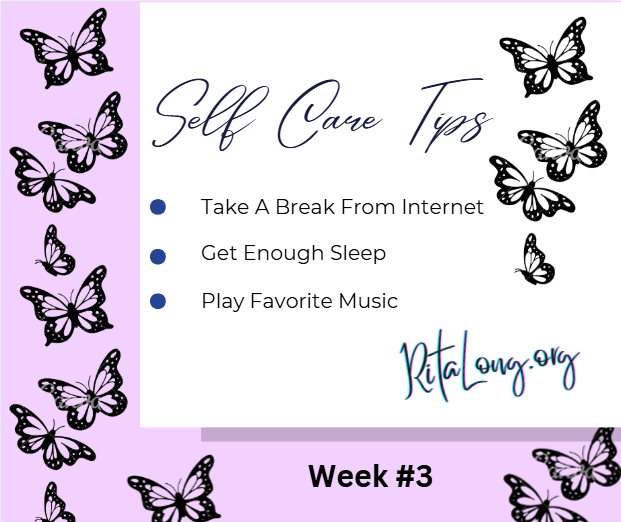
Stick to a schedule, and make sure you’re getting enough sleep. Blue light from devices and screens can make it harder to fall asleep, so reduce blue light exposure from your phone or computer before bedtime.
Mindful meditation is a practice that involves focusing one’s attention on the present moment nonjudgmentally. In the context of children’s self-regulation, mindful meditation offers a valuable tool to help children develop skills to manage their emotions, behavior, and attention. By introducing children to the concept of mindfulness and teaching them simple meditation techniques, we can empower them to become more aware of their thoughts and feelings. This introductory section lays the foundation for understanding the benefits of mindful meditation for children’s self-regulation and explores how it can positively impact their overall well-being.
Mindful meditation offers various benefits to children that can aid in their self-regulation. Firstly, it helps improve their ability to focus and concentrate, allowing them to pay attention to tasks and activities for longer periods of time. Additionally, practicing mindfulness can enhance their emotional regulation skills, enabling them to better understand and manage their feelings. Through meditation, children also develop self-awareness, becoming more in tune with their thoughts, emotions, and bodily sensations. This increased self-awareness can help them identify and address any negative thoughts or behaviors. Furthermore, mindful meditation promotes relaxation and decreases stress levels in children, allowing them to feel calmer and more balanced. Lastly, regular meditation practice has been associated with improved sleep quality in children, helping them attain better rest and rejuvenation. Overall, incorporating mindful meditation into children’s lives can significantly contribute to their self-regulation abilities and overall well-being.
Implementing mindful meditation in schools and homes can provide children with numerous benefits for their well-being. In schools, incorporating mindfulness into the curriculum can help create a calm and focused environment for learning. Teachers can introduce short mindfulness exercises, such as breathing exercises or body scans, at the beginning of each class to help students settle their minds and increase their ability to concentrate. Additionally, schools can set up dedicated mindfulness spaces where students can go to practice meditation or take a moment to themselves when needed. At home, parents can establish a regular meditation routine by allocating a specific time and space for mindful practice. They can engage in guided meditation sessions with their children or use meditation apps designed for kids. By integrating mindful meditation into both school and home settings, children can develop essential self-regulation skills, such as emotional regulation and impulse control, leading to improved focus, reduced stress, and enhanced overall well-being.