15 Day Stress Management Challenge

Please join me in `15 days of challenges for Introducing mindfulness and stress management into your life. Introducing these techniques into a stressful life is crucial for several reasons. Firstly, chronic stress can have detrimental effects on both physical and mental health. It can lead to increased risk of heart disease, high blood pressure, and weakened immune system. Additionally, stress can negatively impact cognitive function, memory, and concentration, making it difficult to perform well in daily tasks and responsibilities.

Furthermore, stress can also affect relationships and overall quality of life. It can lead to irritability, mood swings, and decreased patience, which can strain relationships with family, friends, and colleagues. By implementing stress management techniques, individuals can improve their emotional well-being and enhance their ability to handle challenging situations effectively.

Moreover, stress management can also improve productivity and performance. When individuals are overwhelmed by stress, they may experience burnout, decreased motivation, and difficulty focusing on tasks. By incorporating stress management practices, such as mindfulness and relaxation techniques, individuals can enhance their ability to stay focused, make better decisions, and maintain a higher level of productivity.

Lastly, stress management can promote overall happiness and life satisfaction. By taking time to prioritize self-care and engage in activities that reduce stress, individuals can experience greater joy, fulfillment, and a sense of balance in their lives.

However, it’s important to note that none of the stress managements techniques that will follow should not be used as a substitute for medical treatment for any health conditions.

No Comments Stress Management

Gratitude and our health

image
image

Gratitude has been shown to have a positive impact on health in several ways. When we express gratitude, it activates the brain’s reward system, releasing dopamine and serotonin, which are neurotransmitters associated with feelings of happiness and well-being. This can help reduce stress and anxiety, which in turn can have a positive effect on physical health.

Gratitude also promotes better sleep. When we focus on the positive aspects of our lives and express gratitude for them, it can help calm the mind and promote relaxation, making it easier to fall asleep and stay asleep.

Additionally, gratitude has been linked to improved immune function. Studies have shown that people who regularly practice gratitude have higher levels of immunoglobulin A, which is an antibody that helps fight off infections.

Furthermore, gratitude can improve heart health. It has been found that people who regularly practice gratitude have lower blood pressure and a reduced risk of heart disease.

Overall, cultivating a sense of gratitude can have a profound impact on both mental and physical health.

No Comments Gratitude

Rest, Relax, Recharge

We all need to incorporate relaxation/mindfulness/stress management into our lives.

1. Start your day with a mindfulness practice: Set aside a few minutes each morning to practice mindfulness or meditation. This can help you start your day with a calm and focused mindset.

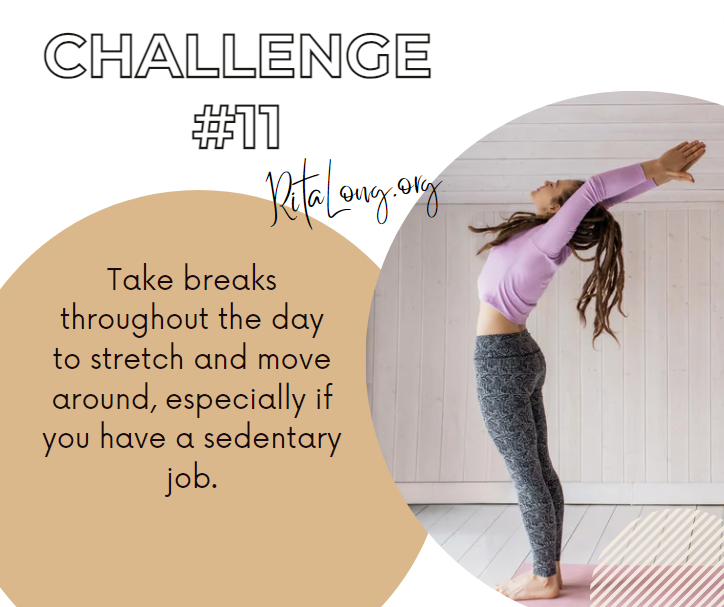
2. Take regular breaks: Throughout the day, make sure to take short breaks to relax and recharge. You can use this time to practice deep breathing exercises, stretch, or simply take a few moments to close your eyes and relax.

3. Create a calming environment: Make your living space a sanctuary of relaxation. Use soothing colors, play soft music, and incorporate elements like plants or aromatherapy to create a calming atmosphere.

4. Practice self-care: Make self-care a priority in your daily routine. This can include activities like taking a warm bath, reading a book, or engaging in a hobby that brings you joy and relaxation.

5. Incorporate physical activity: Regular exercise can help reduce stress and promote relaxation. Find an activity that you enjoy, whether it’s yoga, walking, or dancing, and make it a part of your daily routine.

6. Disconnect from technology: Take regular breaks from screens and technology. Set aside specific times each day to unplug and engage in activities that promote relaxation, such as going for a walk in nature or spending time with loved ones.

Remember, everyone’s relaxation needs are different, so it’s important to find what works best for you. Experiment with different techniques and activities to discover what brings you the most relaxation and incorporate them into your daily life.

No Comments Mindfulness

Mindfulness Meditation: A Powerful Tool for Managing Stress

Mindfulness Meditation: A Powerful Tool for Managing Stress

Stress is an inevitable part of life, and it’s something that affects everyone at one point or another. Whether it’s work-related stress, financial pressures, or relationship issues, stress can take a toll on our physical and mental health. However, there is a powerful tool that can help manage stress: mindfulness meditation.

What is Mindfulness Meditation?

At its core, mindfulness meditation is a practice that involves focusing one’s attention on the present moment and accepting it without judgment. It involves paying attention to the experiences and sensations of the present moment, without getting caught up in thoughts about the past or worries about the future. The practice is often accompanied by deep breathing and relaxation techniques, which help to calm the mind and body.

How Can Mindfulness Meditation Help with Stress Management?

Studies have shown that mindfulness meditation can be an effective tool for managing stress. Here are some ways it can help:

  1. Reducing anxiety: Mindfulness meditation has been shown to reduce symptoms of anxiety. By helping to calm the mind and focus on the present, it can help reduce feelings of worry and stress.
  2. Improving emotional regulation: Mindfulness meditation can help us regulate our emotions in a healthy way. By being present in the moment, we can observe our emotions without getting caught up in them, which can help us respond to stressful situations more effectively.
  3. Improving physical health: Chronic stress can have a negative impact on our physical health, leading to issues like high blood pressure, weakened immune systems, and inflammation. Mindfulness meditation has been shown to improve these physical health markers.
  4. Changing the brain: Research has shown that mindfulness meditation can actually change the structure of the brain. It can increase activity in areas associated with attention and emotion regulation, and decrease activity in areas associated with stress and anxiety.
  5. Starting Your Own Mindfulness Meditation Practice

If you’re interested in starting a mindfulness meditation practice, there are a few simple steps you can take:

  1. Find a quiet, comfortable place where you can relax without distractions.
  2. Begin by focusing on your breath, noticing the sensation of each inhale and exhale.
  3. As thoughts or emotions arise, simply observe them without judgment, letting them pass like clouds in the sky.
  4. Keep your attention on the present moment, without worrying about the past or future.
  5. Try to practice for at least a few minutes each day, gradually increasing the length of your sessions over time.

Overall, mindfulness meditation is a powerful tool for managing stress. By helping us focus on the present moment, regulate our emotions, and improve our physical health, it can be an essential part of a healthy lifestyle.

No Comments Mindfulness

Lunch Time Meditation

image
image

the Journal of Occupational Health Psychology researched the effects of lunchtime activities on mental health. It concluded that a walk in the park was associated with better concentration and less fatigue in the afternoon. A “listening stroll” will further your meditative practice. Simply walk in silence while listening to your surroundings. Focus on every sound you hear, such as rustling leaves, car horns, and skittering animals. This easy exercise clears your mind, making you feel refreshed to tackle the rest of your to-do list.

The study also concluded that engaging in relaxation exercises lead to better concentration, as well as decreased strain and fatigue.

Meditation is a mind-body practice that focuses on slowing down to achieve emotional stability and mental clarity.  In this exercise lets calm the mind and the body and rejuvenate and refresh to start back into the day after lunch.

Be seated in a comfortable position

Take a long slow, deep breath in. Hold it for a moment, and then slowly exhale.

Allow any tension to melt away as you gradually begin to soften your muscles, letting go with each breath.

Continue to breathe slowly and gently as you bring your awareness to the top of your head. Just sense or imagine a feeling of warmth and softness beginning to spread down from the top of your scalp…. feel the muscles in your forehead and temples relax.

Allow your eye to relax to release. Let your cheeks and jaw soften and let go of all tension.

Now let this peaceful feeling flow down into your neck. With each breath you take, this relaxing feeling becomes deeper and warmer. It works its way deep into the muscles in your shoulders…soothing them…releasing them. It loosens the muscles in your arms… your hands…relaxing and soothing…all the way to the tips of your fingers.

As your body softens, your thoughts seem to become lighter. You are slipping further and further into a dreamlike state of stillness.

Now, bring your awareness to your chest and your stomach. The peaceful sensation flows throughout this area of your body, soothing every muscle and relaxing every organ.

Now put your attention to your upper back, and feel this softening sensation flow all the way down your spine. As it gradually works its way down your body, feel every muscle in your back let go and unwind.

Feel that your entire upper body has become loose, limp and soft. Sink into this serene sensation. Now feel your hips soften as the peaceful feeling starts to work its way through your lower body.

Release the muscles in your buttocks…the backs of your thighs…the front of your thighs. Soothing feelings flow down through your knees, and into your calves. Your ankles let go. Now your feet let go. Allow your entire lower body to let go completely, and allow any remaining tension from anywhere in your body to flow out through the tips of your toes. Feel the deep state of calmness and register it in your mind so that you can remember it.

Allow your body to be rooted in this moment with your breath.

As you breathe, I want you to imagine that every breath in is cleansing you, clearing space that is taken up by emotions or physical sensation. And every breath out is exhaling those emotions or physical sensations out of your body.

Breathing in, clearing space.        

Breathing out, letting it go.

feeling the cleansing inhale refresh you,

And exhale everything else out.

Now bring your breathing to its normal rhythm…

And feel as your body vibrates softly with a cool, fresh energy.

Now, take a deep breath, and as you exhale, bring your attention back to the room, your awareness is in the present.

No Comments Mindfulness