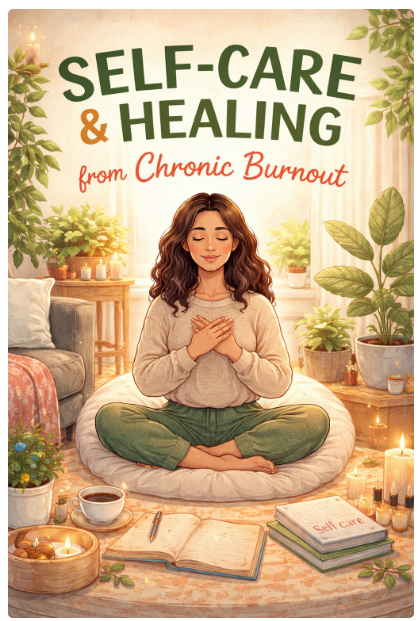
A gentle guide for those who have been running on empty for far too long.
If you’re reading this, you’re probably exhausted in a way that a good night’s sleep stopped fixing a long time ago. Maybe you’ve been going through the motions for months — or years — just trying to get through each day. Maybe you can’t remember the last time something felt easy, or light, or genuinely yours.
That’s burnout. And more specifically, that’s what it looks like when burnout has been going on long enough that survival mode isn’t an emergency response anymore — it’s just become how you live.
The fact that you’re asking how to heal is already meaningful. Here’s what that healing can look like — gently, slowly, and on your own terms.
First, understand what happened to your nervous system
Prolonged survival mode keeps your body flooded with stress hormones. Over time, your nervous system literally learns that rest is unsafe — that slowing down is a threat. So before anything else, know this: your exhaustion, your numbness, your inability to relax isn’t a personal failing. It’s a physiological adaptation.
Healing means slowly, patiently teaching your body that safety is real again. That takes time. Be patient with yourself.
Start with your body, not your to-do list
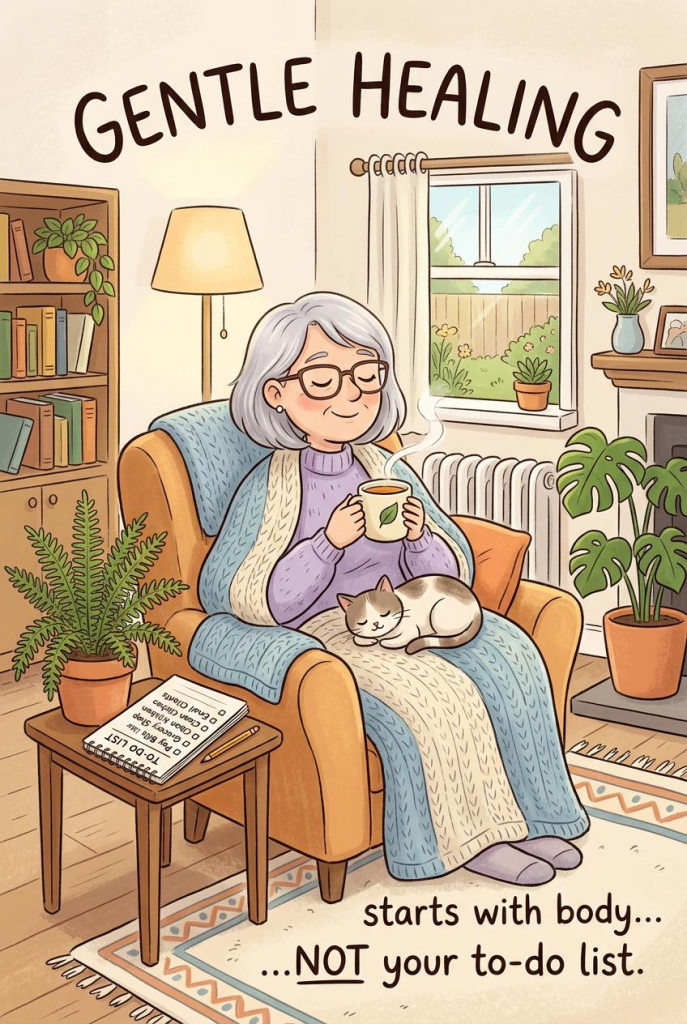
When we’re burned out, the instinct is often to think our way out of it — to plan, to restructure, to optimise. But healing begins in the body, not the mind. Some gentle starting points:
- Slow, gentle movement — walks outside, stretching, or yoga — signals safety to your nervous system far more than productivity ever will.
- Rest without guilt. True rest — doing nothing, not scrolling — is medicine, not laziness.
- Prioritise sleep, not as a reward you earn, but as a non-negotiable foundation. Everything else is downstream of this.
Lower the bar — radically
When you’re chronically depleted, doing “normal” things takes enormous effort. Cooking a meal, replying to a message, getting dressed — these can feel monumental. And that’s okay. It doesn’t mean something is deeply wrong with you. It means you’re running on fumes and your system needs a break.
Give yourself permission to do less than you think you should. The version of “enough” that kept you in survival mode this long clearly wasn’t working. It’s time to try a different standard.
Find tiny moments of genuine pleasure

Burnout often disconnects you from joy. Not just the big joys — the small ones too. You stop noticing what feels good, because for so long, nothing really has.
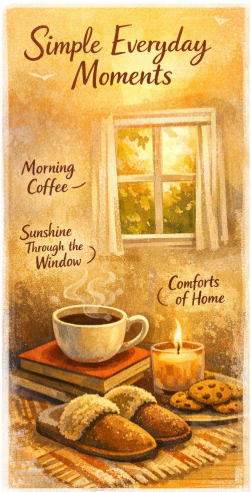
You don’t need to chase happiness. Just start noticing tiny things that feel even slightly good — a warm drink, sunlight on your face, a song that moves something in you. These small signals of aliveness are how you begin to reconnect with yourself. Don’t underestimate them.
Name what you’re carrying
Burnout rarely exists in isolation. Underneath it, there’s usually grief, resentment, unmet needs, or things you sacrificed along the way that were never properly acknowledged.
Journaling, therapy, or even just quietly sitting with “this was really hard” can be surprisingly healing. You don’t need to fix everything. Sometimes just naming it — giving it language — releases something.
Protect your energy — without shame
Recovery requires reducing what’s draining you, even if only slightly. You don’t have to overhaul your entire life overnight. But it helps to honestly notice: what costs you the most? And is any of it negotiable, even just by 10%?
Setting limits isn’t selfish. It’s how you stop the bleeding. And it’s something you may need to practice doing gently, without guilt, over and over again.
Let healing be slow
This might be the most important thing: the instinct after burnout is often to fix yourself fast and get back to performing. That’s survival mode talking. That’s the same voice that got you here.
Real healing doesn’t follow a schedule. Some weeks you’ll feel better. Others, you’ll feel like you’ve gone backwards. That’s not failure — that’s what non-linear recovery looks like. The goal isn’t to be fixed. The goal is to slowly, gradually, feel more like yourself again.
A few final thoughts:
- Therapy — especially somatic or trauma-informed approaches — can be deeply helpful for chronic burnout, because it works with the nervous system, not just your thoughts.
- If you’re experiencing physical symptoms — exhaustion that doesn’t lift, brain fog, recurring illness — it’s worth checking in with a doctor. Chronic stress affects the body in real, measurable ways.
- You don’t have to do all of this at once. Pick one small thing that feels doable, and start there.
You deserve to move out of survival and into actually living. Be patient with yourself — you’ve been fighting for a long time.