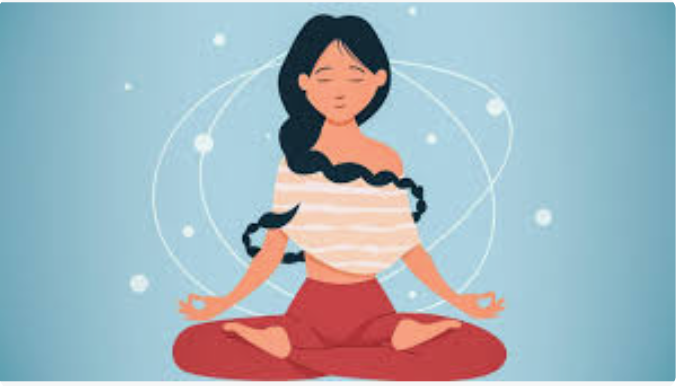
The Breath-Brain Connection: How Pranayama Affects Your Nervous System 

image

The Breath-Brain Connection: How Pranayama Affects Your Nervous System 

Take a deep breath. Now take another, but this time make it slower. Notice anything different? That subtle shift you just experienced is your nervous system responding to a change in your breathing pattern—a perfect demonstration of the profound connection between breath and brain that yogis have understood for thousands of years. 

The Ancient Wisdom Meets Modern Science 

Pranayama, derived from the Sanskrit words “prana” (life force or vital energy) and “yama” (restraint or extension), refers to the yogic practice of breath control. While ancient practitioners intuited its powerful effects on mind and body, modern neuroscience is now revealing the intricate mechanisms behind this breath-brain connection, validating what yogis have practiced for millennia. 

The relationship between breathing and our nervous system is far more sophisticated than simply getting oxygen to our cells. Every breath we take sends signals directly to our brain, influencing our emotional state, stress levels, cognitive function, and overall well-being. 

Understanding Your Nervous System’s Two Sides 

To appreciate how pranayama works, we need to understand the autonomic nervous system—the part of our nervous system that operates below conscious awareness. This system has two primary branches: 

The Sympathetic Nervous System 

Often called our “fight-or-flight” response, the sympathetic system activates during times of perceived threat or stress. When engaged, it: 

  • Increases heart rate and blood pressure 
  • Dilates pupils 
  • Releases stress hormones like cortisol and adrenaline 
  • Redirects blood flow to major muscle groups 
  • Creates shallow, rapid breathing patterns 

The Parasympathetic Nervous System 

Known as the “rest-and-digest” response, the parasympathetic system promotes relaxation and healing. When activated, it: 

  • Slows heart rate and breathing 
  • Lowers blood pressure 
  • Enhances digestion 
  • Promotes cellular repair and regeneration 
  • Encourages deeper, slower breathing patterns 

The Vagus Nerve: Your Body’s Master Reset Button 

Central to the breath-brain connection is the vagus nerve, the longest cranial nerve that extends from the brainstem to the abdomen. This remarkable nerve serves as a direct communication highway between your breathing and your brain. 

When you engage in slow, deep breathing practices, you stimulate the vagus nerve, which then sends calming signals to your brain. This activation triggers what’s known as the “vagal response,” shifting your nervous system from sympathetic dominance to parasympathetic activation. 

The vagus nerve’s influence extends far beyond simple relaxation. Research shows that higher vagal tone—the strength of your vagus nerve activity—is associated with: 

  • Better emotional regulation 
  • Improved heart rate variability 
  • Enhanced immune function 
  • Reduced inflammation 
  • Greater resilience to stress 

How Pranayama Rewires Your Brain 

Regular pranayama practice creates lasting changes in brain structure and function through neuroplasticity—the brain’s ability to reorganize and form new neural connections. Here’s how different aspects of breathwork affect your nervous system: 

1. Breath Rhythm and Brainwave States 

Different breathing patterns correspond to different brainwave frequencies: 

  • Slow, deep breathing (4-6 breaths per minute): Promotes alpha waves associated with relaxation and creativity 
  • Extended exhalations: Encourage theta waves linked to meditation and deep introspection 
  • Rhythmic breathing: Synchronizes neural oscillations, improving cognitive coherence 

2. CO2 Tolerance and Anxiety Reduction 

Many pranayama techniques involve breath retention or controlled breathing that temporarily increases carbon dioxide levels. This practice: 

  • Improves CO2 tolerance, reducing anxiety sensitivity 
  • Trains the brain to remain calm during physiological changes 
  • Enhances overall stress resilience 

3. Attention and Focus Enhancement 

Concentrated breathing practices strengthen the prefrontal cortex, the brain region responsible for executive function. This leads to: 

  • Improved sustained attention 
  • Better emotional regulation 
  • Enhanced decision-making abilities 
  • Increased self-awareness 

Scientific Evidence: What Research Reveals 

Modern studies have provided compelling evidence for pranayama’s effects on the nervous system: 

A 2017 study published in the International Journal of Preventive Medicine found that participants who practiced slow breathing exercises for eight weeks showed significant improvements in parasympathetic nervous system activity and reduced anxiety levels. 

Research from Harvard Medical School demonstrated that rhythmic breathing practices activate the parasympathetic nervous system within minutes, leading to immediate reductions in heart rate, blood pressure, and stress hormone levels. 

Neuroimaging studies have shown that regular pranayama practice increases gray matter density in brain regions associated with learning, memory, and emotional regulation while reducing activity in the amygdala, the brain’s fear center. 

Key Pranayama Techniques and Their Neural Effects 

1. Ujjayi Breathing (Victorious Breath) 

This technique involves breathing through the nose with a slight constriction in the throat, creating a soft oceanic sound. 

Neural effects: 

  • Activates the parasympathetic nervous system 
  • Increases concentration and focus 
  • Promotes emotional stability 

How to practice: 

  • Breathe slowly through the nose 
  • Create a gentle constriction in the throat 
  • Maintain equal inhale and exhale lengths (typically 4-6 counts each) 

2. Nadi Shodhana (Alternate Nostril Breathing) 

This practice involves alternating breathing between the left and right nostrils using finger positions. 

Neural effects: 

  • Balances left and right brain hemisphere activity 
  • Reduces anxiety and promotes mental clarity 
  • Harmonizes the nervous system 

How to practice: 

  • Use your right thumb to close the right nostril, inhale through the left 
  • Close the left nostril with your ring finger, release the thumb, exhale through the right 
  • Continue alternating for 5-10 minutes 

3. Box Breathing (Sama Vritti) 

This technique involves equal counts for inhalation, retention, exhalation, and retention. 

Neural effects: 

  • Maximizes vagal stimulation 
  • Improves heart rate variability 
  • Enhances emotional regulation 

How to practice: 

  • Inhale for 4 counts 
  • Hold the breath for 4 counts 
  • Exhale for 4 counts 
  • Hold empty for 4 counts 
  • Gradually increase to 6 or 8 counts as comfortable 

4. Extended Exhale Breathing 

This practice emphasizes longer exhalations compared to inhalations. 

Neural effects: 

  • Strongly activates parasympathetic response 
  • Reduces stress and anxiety quickly 
  • Promotes deep relaxation 

How to practice: 

  • Inhale for 4 counts 
  • Exhale for 6-8 counts 
  • Focus on making the exhale smooth and controlled 

The Physiological Cascade: From Breath to Brain 

When you practice pranayama, a remarkable cascade of physiological changes occurs: 

  1. Immediate Response (0-30 seconds): Breathing pattern changes activate mechanoreceptors in the lungs and chest, sending signals via the vagus nerve to the brainstem. 
  1. Short-term Response (30 seconds – 5 minutes): The brainstem adjusts heart rate, blood pressure, and hormone release. Stress hormones decrease while calming neurotransmitters like GABA increase. 
  1. Medium-term Response (5-60 minutes): Sustained practice shifts the nervous system into parasympathetic dominance, promoting relaxation, improved digestion, and enhanced immune function. 
  1. Long-term Response (weeks to months): Regular practice creates structural brain changes, improving stress resilience, emotional regulation, and overall mental health. 

Integrating Pranayama into Daily Life 

To harness the breath-brain connection effectively, consider these practical applications: 

Morning Practice 

Start your day with 5-10 minutes of energizing pranayama like Ujjayi breathing to set a calm, focused tone for the day. 

Stress Response Tool 

When you notice stress or anxiety arising, immediately shift to extended exhale breathing to activate your parasympathetic response. 

Pre-Sleep Routine 

Practice calming techniques like alternate nostril breathing before bed to prepare your nervous system for restorative sleep. 

Work Breaks 

Use box breathing during work breaks to reset your nervous system and maintain mental clarity throughout the day. 

Common Misconceptions and Precautions 

While pranayama is generally safe, it’s important to approach it mindfully: 

  • Start slowly: Begin with simple techniques and gradually progress to more advanced practices 
  • Listen to your body: Never force the breath or create tension 
  • Avoid during illness: Refrain from intense breathing practices when sick 
  • Seek guidance: Learn proper techniques from qualified instructors 
  • Medical considerations: Consult healthcare providers if you have respiratory or cardiovascular conditions 

The Future of Breath-Based Interventions 

As research continues to unveil the mechanisms behind the breath-brain connection, we’re seeing exciting developments in clinical applications. Pranayama-based interventions are being studied for: 

  • Post-traumatic stress disorder (PTSD) treatment 
  • Depression and anxiety management 
  • Chronic pain reduction 
  • Blood pressure regulation 
  • Immune system enhancement 
  • Cognitive performance optimization 

Conclusion: Your Breath as a Gateway to Transformation 

The ancient practice of pranayama offers us a remarkable tool for directly influencing our nervous system and mental state. Through conscious control of our breathing, we can shift from stress to calm, from scattered to focused, from reactive to responsive. 

The beauty of this practice lies in its accessibility—your breath is always with you, ready to serve as a bridge between your conscious mind and autonomous nervous system. Whether you’re dealing with acute stress, seeking to enhance your cognitive performance, or simply wanting to cultivate greater inner peace, pranayama provides a scientifically-backed pathway to transformation. 

As you continue to explore the breath-brain connection, remember that consistency is key. Like any skill, the benefits of pranayama compound over time. Start with just a few minutes daily, and gradually expand your practice as you become more comfortable with different techniques. 

Take a moment now to return to your breath. Notice its natural rhythm, then gently guide it into a slower, deeper pattern. Feel how this simple shift ripples through your entire being, calming your mind and relaxing your body. This is the power of pranayama—the ancient science of breath that modern research continues to validate and celebrate. 

Your nervous system is listening to every breath you take. Make each one count. 

No Comments SelfcareStress Management

Taking Up Space

Take Up Space:

You know that thing we do in emails? “Just checking in,” “sorry to bother you,” “no worries if not”—like we’re tiptoeing into someone else’s house instead of just existing? 

It’s not just emails. It’s holding back your idea in meetings. Laughing smaller so you don’t stand out. Apologizing for having feelings. Hiding in the corner of photos instead of standing dead center. 

We’ve become experts at shrinking. Masters of making ourselves smaller before anyone even asks us to. 

But here’s the truth: shrinking doesn’t make you more likable. It just makes you disappear! 

Think about the people who’ve impacted your life most. Were they the ones apologizing for existing? Or were they the ones who showed up fully, who took up space, who didn’t ask permission to be themselves? 

The world doesn’t need another person who’s sorry for being here. The world needs you—full-sized, unedited, unapologetic you. 

So, today’s challenge: Take up space.  

Speak your ideas without disclaimers. Stand tall. Don’t dim your light so others feel comfortable. Don’t sand down your edges—they’re what make you uniquely you. 

You’re allowed to be seen without apologies. Without asking permission first. 

The people worth having in your life want you to show up fully anyway. 

So, catch yourself shrinking today. And then don’t. Take up space instead. 

You’re allowed to be here. You’re allowed to matter. 

Now go do it. 

No Comments Selfcare

Beyond Exhaustion: The Science and Art of True Restorative Rest

Why scrolling through your phone for hours leaves you more tired than when you started—and what actually works instead


The Weekend That Wasn’t

Picture this: It’s Sunday evening, and you’re staring at the week ahead with a familiar sense of dread. You just spent two full days “relaxing”—binge-watching Netflix, scrolling endlessly through social media, maybe doing some online shopping. You barely left the couch. So why do you feel more exhausted than you did on Friday afternoon?

If this scenario sounds familiar, you’re not alone. Millions of people are caught in what I call the “rest paradox”—we’re more connected to entertainment and distraction than ever before, yet we’re also more tired, anxious, and burned out than previous generations. The problem isn’t that we’re not resting enough; it’s that we’ve forgotten what real rest actually looks like.

The Great Rest Deception

Our culture has sold us a lie about rest. We’ve been taught that rest is simply the absence of work—that as long as we’re not being productive, we’re resting. But there’s a world of difference between checking out and truly restoring ourselves.

Think about it: After a day of mindless scrolling, do you feel refreshed and ready to tackle challenges? After binge-watching an entire season in one sitting, do you feel more creative and energized? After spending hours shopping online for things you don’t really need, do you feel more centered and purposeful?

The answer, for most of us, is a resounding no. That’s because these activities aren’t actually restful—they’re just different forms of stimulation and distraction.

What Happens When We Don’t Get Real Rest

The consequences of chronic pseudo-rest extend far beyond feeling tired. When we don’t give ourselves true restoration, we experience:

Physical symptoms:

  • Persistent fatigue that sleep doesn’t seem to fix
  • Weakened immune system and frequent minor illnesses
  • Poor recovery from exercise or physical exertion
  • Tension headaches and muscle aches

Mental symptoms:

  • Difficulty concentrating on important tasks
  • Decision fatigue throughout the day
  • Creative blocks and lack of innovative thinking
  • Memory problems and mental fog

Emotional symptoms:

  • Increased irritability and impatience
  • Anxiety about daily responsibilities
  • Feeling overwhelmed by normal life demands
  • Emotional numbness or disconnection

Spiritual symptoms:

  • Loss of connection to personal values and purpose
  • Feeling like you’re just going through the motions
  • Lack of meaning or fulfillment in daily activities
  • Disconnection from what truly matters to you

Understanding True Restorative Rest

So what is restorative rest? Simply put, it’s any activity that leaves you feeling more energized, centered, and capable than when you started. Notice that this definition doesn’t require inactivity—some of the most restorative activities involve gentle movement, creativity, or meaningful connection with others.

The key insight is this: Restorative rest is not about what you stop doing; it’s about what you choose to do instead.

The Four Pillars of Restoration

True restoration happens across four interconnected dimensions of human experience. Like a four-legged stool, neglecting any one area leaves us unbalanced and ultimately unfulfilled.

1. Physical Restoration: Honoring Your Body

Your body is not just a vehicle for your mind—it’s an integral part of your being that requires intentional care and attention.

Quality Sleep Over Quantity Most adults need 7-9 hours of sleep, but the quality of that sleep matters more than hitting an exact number. Create a sleep sanctuary: cool, dark, and free from screens. Develop a consistent bedtime routine that signals to your body it’s time to wind down. Consider this routine as sacred time for yourself, not something to rush through.

Gentle Movement After hours of sitting, your body craves movement—but not necessarily intense exercise. Try:

  • A leisurely walk in your neighborhood, paying attention to the changing seasons
  • Gentle yoga or stretching while listening to calming music
  • Dancing freely in your living room to songs that make you feel alive
  • Swimming or floating in water, which naturally relaxes tense muscles

Nourishing Food Restorative eating means choosing foods that energize rather than deplete you. This isn’t about strict diets or perfect nutrition—it’s about paying attention to how different foods make you feel. Notice which meals leave you satisfied and energized versus those that make you feel sluggish or uncomfortable.

Conscious Breathing Your breath is always available as a tool for restoration. Try the 4-7-8 technique: inhale for 4 counts, hold for 7, exhale for 8. Even five minutes of intentional breathing can shift your entire nervous system from stress mode to rest mode.

2. Mental Restoration: Quieting the Noise

In our hyper-connected world, our minds are constantly processing information. Mental restoration involves giving your brain permission to rest from the constant input.

The Power of Silence When did you last experience true silence? Not just the absence of sound, but the absence of mental chatter? Start with just five minutes of sitting quietly, perhaps with a cup of tea, watching clouds move across the sky. Notice how your mind initially resists this silence, then gradually settles into it.

Single-Tasking as Meditation Choose one simple activity and do it with complete attention: washing dishes, folding laundry, or preparing a meal. When your mind wanders to your to-do list or tomorrow’s worries, gently bring your attention back to the task at hand. This practice trains your brain to focus and rest simultaneously.

Learning for Joy Read something that interests you without any pressure to remember or apply it. Do a puzzle just for the satisfaction of solving it. Learn a few words in a new language because it’s fun. When learning is divorced from productivity, it becomes restorative instead of stressful.

Meditation and Mindfulness You don’t need to sit in lotus position for hours to benefit from meditation. Start with just two minutes of paying attention to your breath. Use apps like Headspace or Insight Timer if guided meditations are helpful. The goal isn’t to stop thinking—it’s to notice your thoughts without being carried away by them.

3. Emotional Restoration: Tending Your Heart

Emotional restoration involves both processing difficult feelings and cultivating positive emotional states.

Quality Connection Spend time with people who energize rather than drain you. This might mean having a deep conversation with a close friend, playing with your children without checking your phone, or even having a meaningful chat with a neighbor. Quality matters far more than quantity—one hour of genuine connection can be more restorative than an entire day of superficial socializing.

Creative Expression Creativity is the language of the soul. Write in a journal without worrying about grammar or making sense. Draw, paint, or doodle without concerning yourself with artistic skill. Sing in the shower or while cooking. Dance like no one’s watching (because hopefully, no one is). The goal is expression, not perfection.

Emotional Boundaries Learn to say no to energy-draining commitments. This doesn’t make you selfish—it makes you wise. You cannot pour from an empty cup, and protecting your energy allows you to show up more fully for what truly matters.

Processing Rather Than Suppressing Instead of numbing difficult emotions with distractions, create space to feel them. This might mean crying when you’re sad, journaling about frustrations, or talking through problems with a trusted friend or counselor. Emotions that are felt and processed naturally resolve; emotions that are suppressed tend to accumulate and create chronic stress.

4. Spiritual Restoration: Connecting to Something Larger

Spiritual restoration doesn’t require religious belief—it’s about connecting to something beyond your immediate concerns and daily routines.

Purpose Alignment Regularly ask yourself: “What matters most to me?” Then look at how you’re spending your time and energy. Are your daily activities aligned with your deeper values? Even small adjustments toward alignment can be profoundly restorative.

Nature Connection Human beings evolved in natural environments, and we still crave that connection. Spend time outdoors without agenda—sit under a tree, watch a sunset, listen to birds, or simply observe how light changes throughout the day. If you can’t get outside, bring nature indoors with plants, natural light, or even nature sounds.

Gratitude Practice Gratitude shifts your focus from what’s missing to what’s present. This doesn’t mean toxic positivity or ignoring real problems. Instead, it means training your attention to notice what’s going well, even in difficult times. Try writing down three specific things you’re grateful for each evening—not just “my family” but “the way my daughter laughed at dinner tonight.”

Service and Contribution Helping others in ways that feel meaningful connects us to something larger than our personal concerns. This might mean volunteering for a cause you care about, helping a neighbor with groceries, or simply offering a genuine compliment to someone who looks like they need it.

Practical Strategies for Restorative Rest

Understanding the theory is one thing; implementing it is another. Here are concrete strategies you can start using today:

The Energy Audit

For one week, pay attention to how different activities make you feel. After each activity, rate your energy level from 1-10 and note whether you feel more or less like yourself. You’ll quickly identify which activities are actually restorative and which are just distractions.

Common energy drains might include:

  • Mindless social media scrolling
  • Watching disturbing news before bed
  • Gossiping or complaining conversations
  • Shopping for things you don’t need
  • Staying up late watching shows you don’t even enjoy

Common energy boosters might include:

  • Reading inspiring or interesting books
  • Gentle walks in nature
  • Conversations about topics you care about
  • Creative activities done without pressure
  • Quiet time for reflection or meditation

The 20-Minute Rule

Instead of dedicating entire days to rest, try 20-minute intentional rest periods throughout your week:

  • 20 minutes of nature: Walk outside or sit by a window, paying attention to the natural world around you
  • 20 minutes of creativity: Write, draw, play music, or engage in any creative activity without judgment
  • 20 minutes of movement: Stretch, dance, do gentle yoga, or move your body in ways that feel good
  • 20 minutes of silence: Sit quietly, meditate, or simply be still without any input

The beauty of 20 minutes is that it feels manageable even on busy days, yet it’s long enough to shift your internal state.

Rest Rituals

Create specific rituals that signal to your mind and body that it’s time to restore:

Morning restoration ritual (10 minutes):

  • Before checking your phone, spend a few minutes in quiet reflection
  • Write three intentions for the day
  • Take five deep, conscious breaths
  • Notice how your body feels and what it needs

Midday reset ritual (5 minutes):

  • Step outside if possible, or at least look out a window
  • Take five deep breaths
  • Ask yourself: “What would feel most nourishing right now?”
  • Make one small adjustment to better care for yourself

Evening restoration ritual (20-30 minutes):

  • Create a device-free hour before bed
  • Take a warm bath or shower mindfully
  • Read something inspiring or beautiful
  • Reflect on what went well during the day
  • Set an intention for tomorrow

The Three Types of Rest Days

Not all rest days need to look the same. Consider rotating between these three approaches:

Active Rest Days: These are for when you have energy but want to channel it restoratively:

  • Take a longer nature walk or hike
  • Work on a creative project that brings you joy
  • Have meaningful conversations with people you love
  • Try a new activity that interests you
  • Organize or beautify your living space mindfully

Passive Rest Days: These are for when you need to slow down and receive:

  • Read books that inspire or comfort you
  • Take long, luxurious baths
  • Practice meditation or gentle yoga
  • Listen to music that moves you
  • Rest in comfortable spaces without agenda

Sacred Rest Days: These are for when you need to reconnect with meaning:

  • Spend time in nature without devices
  • Engage in spiritual or philosophical reflection
  • Volunteer for causes you care about
  • Have deep conversations about life’s big questions
  • Practice gratitude and appreciation

Environmental Design for Restoration

Your environment significantly influences your ability to rest restoratively. Consider these changes:

Create sacred spaces:

  • Designate one area of your home as a rest zone—no devices, no work materials
  • Make it comfortable with soft lighting, cozy textures, and things that bring you joy
  • Keep books, art supplies, or instruments easily accessible
  • Add plants or natural elements

Reduce friction for good choices:

  • Keep walking shoes by the door
  • Have a journal and pen on your nightstand
  • Store your phone away from your bedroom
  • Keep healthy snacks visible and less healthy ones out of sight

Increase friction for depleting choices:

  • Remove social media apps from your phone’s home screen
  • Use website blockers during designated rest times
  • Keep the TV remote in another room
  • Unsubscribe from email lists that create stress or unnecessary desire

Overcoming Rest Resistance

Even when we understand the importance of restorative rest, we often resist actually doing it. Here’s how to work with common obstacles:

“I Feel Guilty When I Rest”

This guilt often stems from cultural messages that equate worth with productivity. Remember:

  • Rest is not earned—it’s required for human flourishing
  • Taking care of yourself enables you to better care for others
  • You are worthy of rest simply because you exist
  • Burnout serves no one, including those who depend on you

Try reframing rest as an investment rather than an indulgence. Just as you wouldn’t feel guilty about maintaining your car so it runs well, don’t feel guilty about maintaining yourself.

“I Don’t Have Time”

This usually reflects priorities rather than actual time constraints. Consider:

  • You have time for what you prioritize
  • Five minutes of intentional rest can be more restorative than hours of distraction
  • Rest makes you more efficient, ultimately creating more time
  • You can’t afford not to rest—the costs of burnout are too high

Start impossibly small: two minutes of deep breathing, one page of inspiring reading, a 30-second gratitude practice. Build from there.

“I Don’t Know How to Rest”

This is completely understandable in a culture that doesn’t teach rest as a skill. Remember:

  • Rest is a practice that improves with time
  • There’s no “right” way to rest—only what works for you
  • Experiment with different activities and notice what feels restorative
  • It’s normal for your mind to resist stillness at first

Start with more active forms of rest (walking, gentle movement) and gradually work toward stillness as it becomes more comfortable.

“My Mind Won’t Stop Racing”

A busy mind is often a sign that you need rest, not evidence that you can’t rest. Try:

  • Writing down your thoughts to get them out of your head
  • Using guided meditations to give your mind something to focus on
  • Starting with movement-based rest activities
  • Accepting that a busy mind is normal and doesn’t prevent restoration

The goal isn’t to stop thinking—it’s to change your relationship with your thoughts.

The Ripple Effects of True Rest

When you begin practicing restorative rest, the benefits extend far beyond feeling less tired:

Enhanced Creativity: A rested mind makes new connections and generates fresh ideas. Many breakthrough insights come during periods of rest, not intense focus.

Improved Relationships: When you’re truly rested, you have more patience, empathy, and emotional availability for the people you love.

Better Decision-Making: Rest reduces decision fatigue and helps you make choices aligned with your values rather than just reacting to immediate pressures.

Increased Resilience: Regular restoration builds your capacity to handle stress and recover from setbacks more quickly.

Greater Life Satisfaction: When you regularly engage in truly restorative activities, you feel more connected to what matters most to you.

Your Rest Revolution Starts Now

True restorative rest isn’t a luxury for people with more time, money, or fewer responsibilities—it’s a necessity for anyone who wants to thrive rather than just survive. The practices don’t have to be perfect or comprehensive. Start with one small change and build from there.

This week, I challenge you to:

  1. Choose one: Pick one restorative activity to try for 20 minutes
  2. Schedule it: Put it in your calendar like any important appointment
  3. Notice the difference: Pay attention to how you feel before and after
  4. Replace, don’t add: Instead of adding more to your plate, replace one depleting activity with one restorative activity

Remember, this isn’t about optimizing yourself for better performance—it’s about honoring your fundamental human need for restoration. You deserve to feel truly rested, energized, and alive.

The world needs what you have to offer, but it needs you to offer it from a place of fullness rather than emptiness. True restorative rest isn’t selfish—it’s essential. Your future self, your loved ones, and everyone whose life you touch will thank you for making this investment.

What would change in your life if you felt truly rested and restored? There’s only one way to find out.


What restorative activity will you try first? Share your experience in the comments below, and let’s support each other in rediscovering the art of true rest.

No Comments SelfcareStress Management